

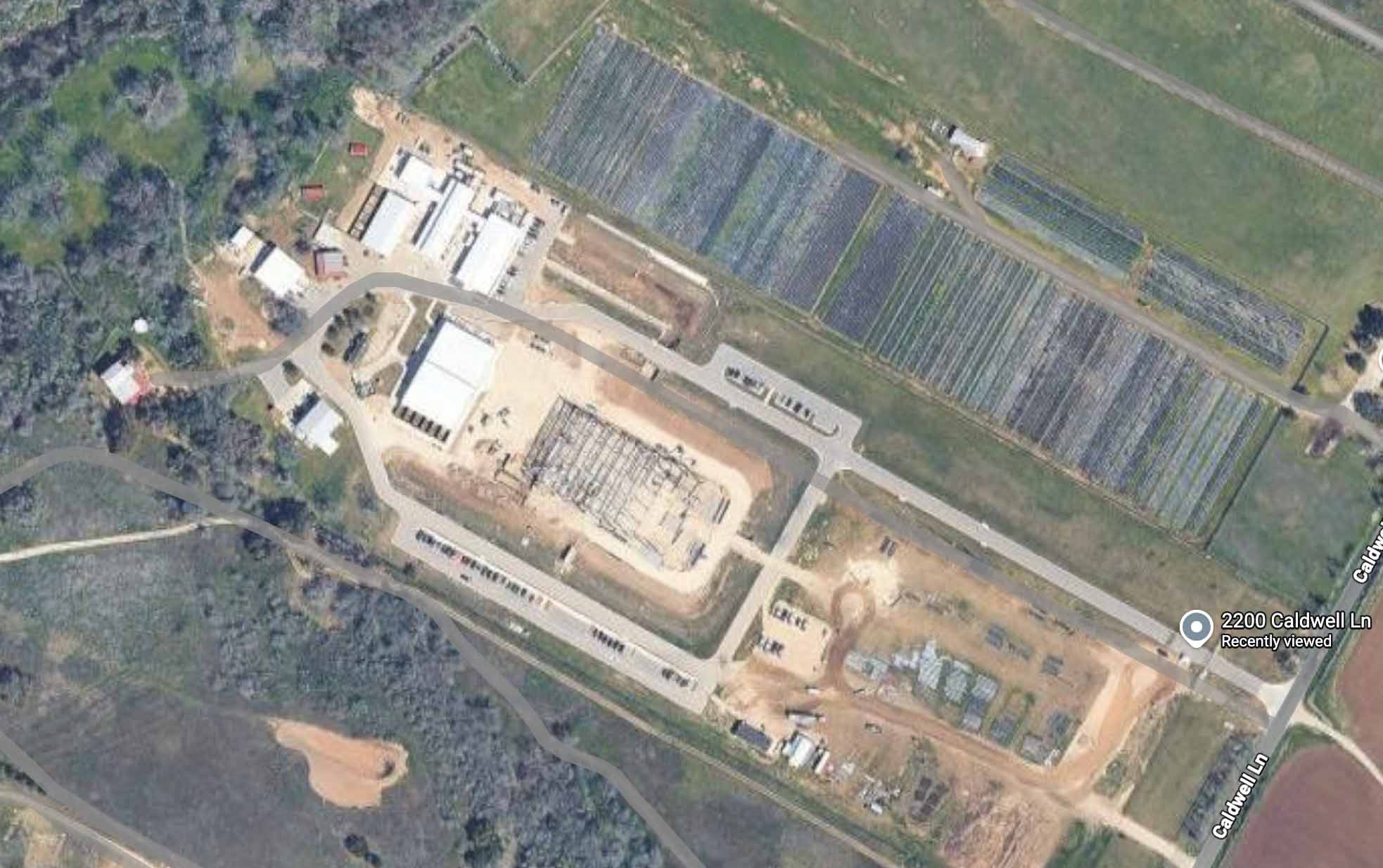
Neuralink is expanding its Austin-area footprint again, with a new renovation planned at its Del Valle site outside the city. The timing is not random. Early in the year, Musk wrote on X that “Neuralink will start high-volume production of brain-computer interface devices” and “move to an almost entirely automated surgical procedure in 2026.” Those promises hinge mostly on throughput, meaning manufacturing yield, QA, supply chain, and a procedure that can be repeated safely and predictably.
Reported initially by the Statesman, the new filing shows an $8.2 million tenant improvement converting 37,607 square feet of shell space into office and manufacturing use, scheduled from March 2 to May 25, 2026. It sits on top of earlier Del Valle projects that describe a 112,000 square foot facility buildout with a machine shop and cleanroom device manufacturing, plus a smaller office fit-out. And it follows Neuralink’s 2025 move to lease a 144,000 square foot building in South San Francisco.
Neuralink is scaling up this year, and Austin shows these ambitions in concrete filings. A Texas construction record for “ATX1 – Third Floor Tenant Improvement” describes the conversion of 37,607 square feet of shell space into office and manufacturing use at its Del Valle address. The project is budgeted at $8.2 million, with work scheduled from March 2 to May 25, 2026. This kind of tenant improvement typically signals a shift from building a campus to making space usable for operations.
The renovation also sits within a longer sequence of Del Valle projects that point heavily toward scaling manufacturing capacity. Earlier filings describe “ATX1 New Construction,” a three-story, 112,000 square foot facility with offices, a machine shop, and cleanroom device manufacturing, budgeted at $14.7 million and finished in May 2025. A separate “Barn 2 ACT Office” fit-out covered a smaller 3,410 square feet project at a $1.0 million budget. The Austin site looks to come online in stages, with incremental projects layered as capacity ramps.
Hiring provides a parallel signal, aligning with that interpretation. Neuralink’s Austin roles emphasize manufacturing engineering and production work tied to the surgical system, including consumables used in robot-assisted implantation. One posting describes early dependence on Fremont, with frequent travel expected at the start and then decreasing over time; a possible indicator of process transfer, where production knowledge and tooling move from a mature site to a scaling one.
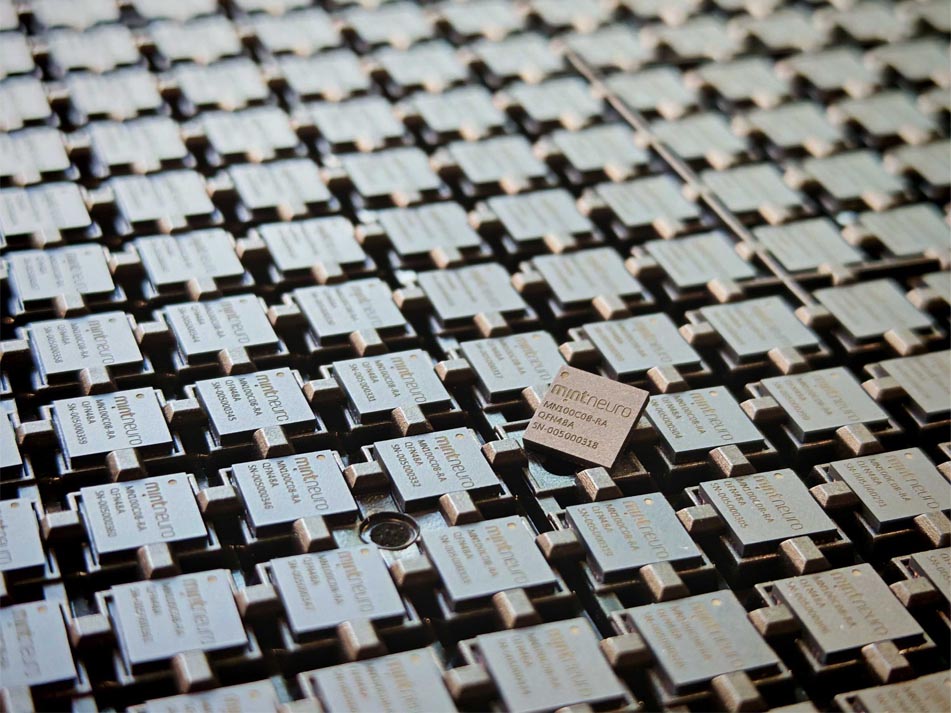
This is why the Austin developments are worth analyzing beyond “new space.” Musk has explicitly framed 2026 around “high-volume production” and a more automated procedure, which implies a shift from proving feasibility to repeating the process at higher cadence. For complex implanted BCI, that transition is governed by manufacturing yield, quality systems, sterile production environments, and reliable supply of procedure-critical components. The Del Valle buildout, and the type of roles being staffed around it, are consistent with Neuralink now putting that infrastructure in place.
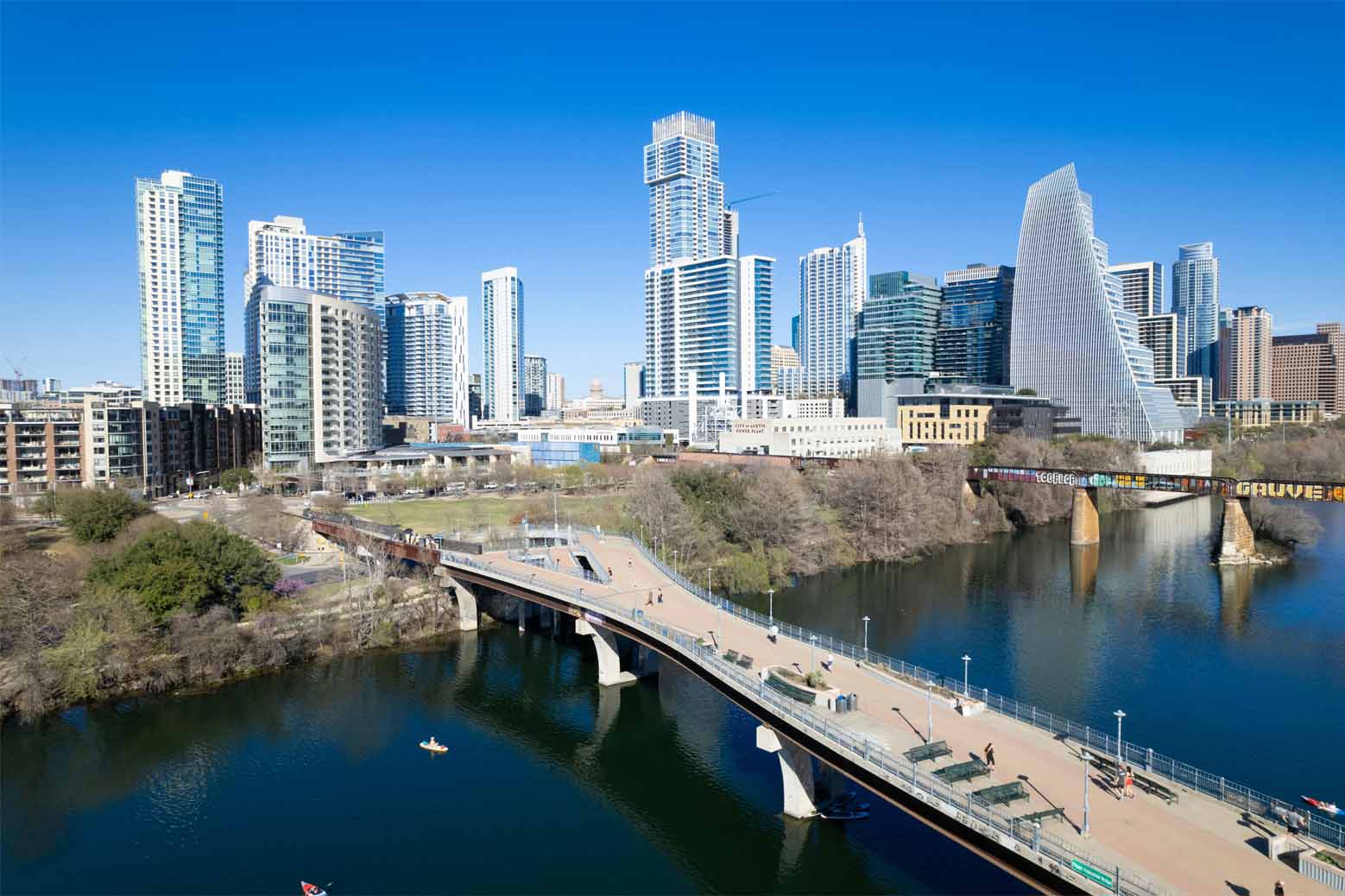
California remains a deliberate part of Neuralink’s scale posture. In October 2025, Neuralink leased a 144,000 square foot building at 499 Forbes Boulevard in South San Francisco, placing the company back inside the region’s biotech belt after a period of Texas-focused expansion. Public records and local reporting at the time described the property as a newly built life-science facility, previously occupied by InterVenn Biosciences. Neuralink did not disclose how the site would be used, but the format fits mixed R&D and light manufacturing.
The move landed in a Bay Area market that had shifted in Neuralink’s favor. South San Francisco lab vacancies were elevated and landlords were offering faster build-outs and better terms than during the peak. The capacity developments also come at a time of clinical rollout ramping up. The Bay Area return followed the launch of a large patient registry, ongoing first-in-human work, and a first set of implants outside the U.S.
Neuralink’s geo-footprint points toward a split that is common in later-stage deeptech. Texas is being built into a throughput engine for regulated production and operational cadence. The Bay Area remains an integration and R&D zone, where software, device iteration, and clinical adjacency sit close enough to keep the loop short. If Musk’s “high-volume” framing is meant to become real this year, the recent chain of real estate filings are among the first signals of that strategy being put into action.
Produced with support from

%20copy.jpg)




.svg)

