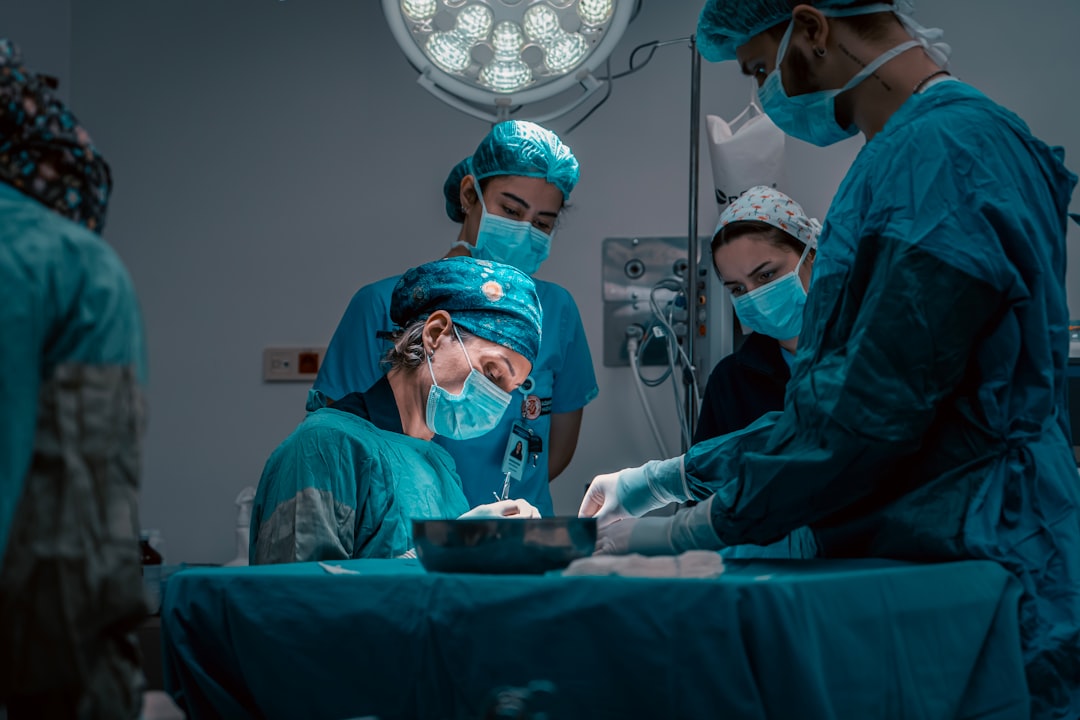
As neurotechnology and healthcare AI continue to advance, ethical questions are becoming central to the broader discourse. In neurosurgery, a field invasive by nature with miniscule margins of error, those ethical markers are especially clear. Last month, the World Conference of Computational Neurosurgery (WCCNS) concluded with the signing of the Declaration of Sydney, the first international agreement on a formal ethical and legal framework for the use of advanced computing and automated systems in neurosurgery.
The declaration is an attempt to ensure that, as the field evolves, ethics is woven into these tools and developments. While healthcare AI has often preferred speed over safety, neurosurgery is a logical starting point for a transition toward more sustainable and principled governance. By setting clear boundaries, the medical community can begin to create a template for the wider neurotechnology industry, from BCIs to non-invasive wearables.
The Declaration’s fifteen articles place patient-centred care, human dignity, and clinical accountability at the centre of computational neurosurgery. Article 3, which focuses on “Human Oversight and Clinical Accountability,” reflects concern about how far automated systems should be allowed to shape surgical decision-making. The underlying position is that AI systems are intended to support neurosurgeons, not replace them. Even as data science, automation, and robotics become more embedded in practice, moral and legal responsibility remains with the human practitioner.
That distinction becomes more important as the line between clinical intervention and enhancement starts to blur. Article 15 addresses the neurosurgical use of systems designed to “enhance normal brain function,” arguing that such applications require broader societal and legal debate before they are normalised. In that sense, the Declaration is not only setting rules for current practice, but also trying to define where the field should pause, particularly as speculation around neuro-augmentation continues to outpace governance.
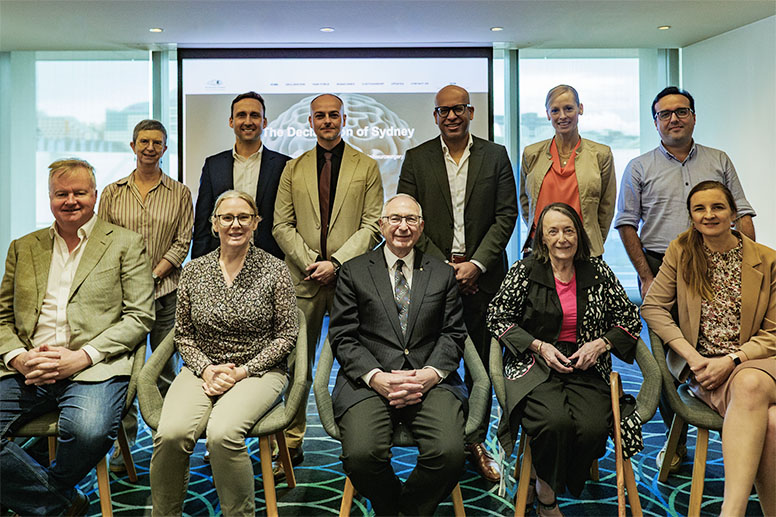
While the Declaration’s 15 Articles set out the broad ethical principles, the technical and clinical details are still being developed through a supporting White Paper. Since the Sydney summit, clinicians, engineers, and policymakers have been reviewing that text to work through how these standards might operate in practice. The current submission window for amendments closes on March 31, after which the language is expected to move toward a more formalised version.
The immediate focus is computational neurosurgery, but the wider relevance is harder to miss. Neurosurgery offers a clearer setting than most areas of neurotechnology because the intervention is direct, the risks are obvious, and clinical accountability is already well established. That makes it a more workable place to define boundaries around oversight, responsibility, and acceptable use than fields such as consumer neurotechnology or software-based neural applications, where governance remains more fragmented.
The Declaration also signals a broader view of what responsible neurotechnology should account for. Article 9 points to global capacity building rather than limiting computational advances to well-resourced hospitals, while the wider framework places weight on mental integrity, data rights, and patient dignity. If the Declaration proves influential, its significance may lie not only in shaping computational neurosurgery, but in offering an early governance model for the wider neurotechnology field.
The submission window for amendments to the White Paper closes on March 31, 2026. This deadline is the final opportunity for international stakeholders to provide feedback and refine the technical standards of the discipline before the global network of specialists move to formalise the text.
The Declaration also remains open for signatures: www.declarationofsydney.ai
.svg)





.jpeg)


%20copy.jpg)