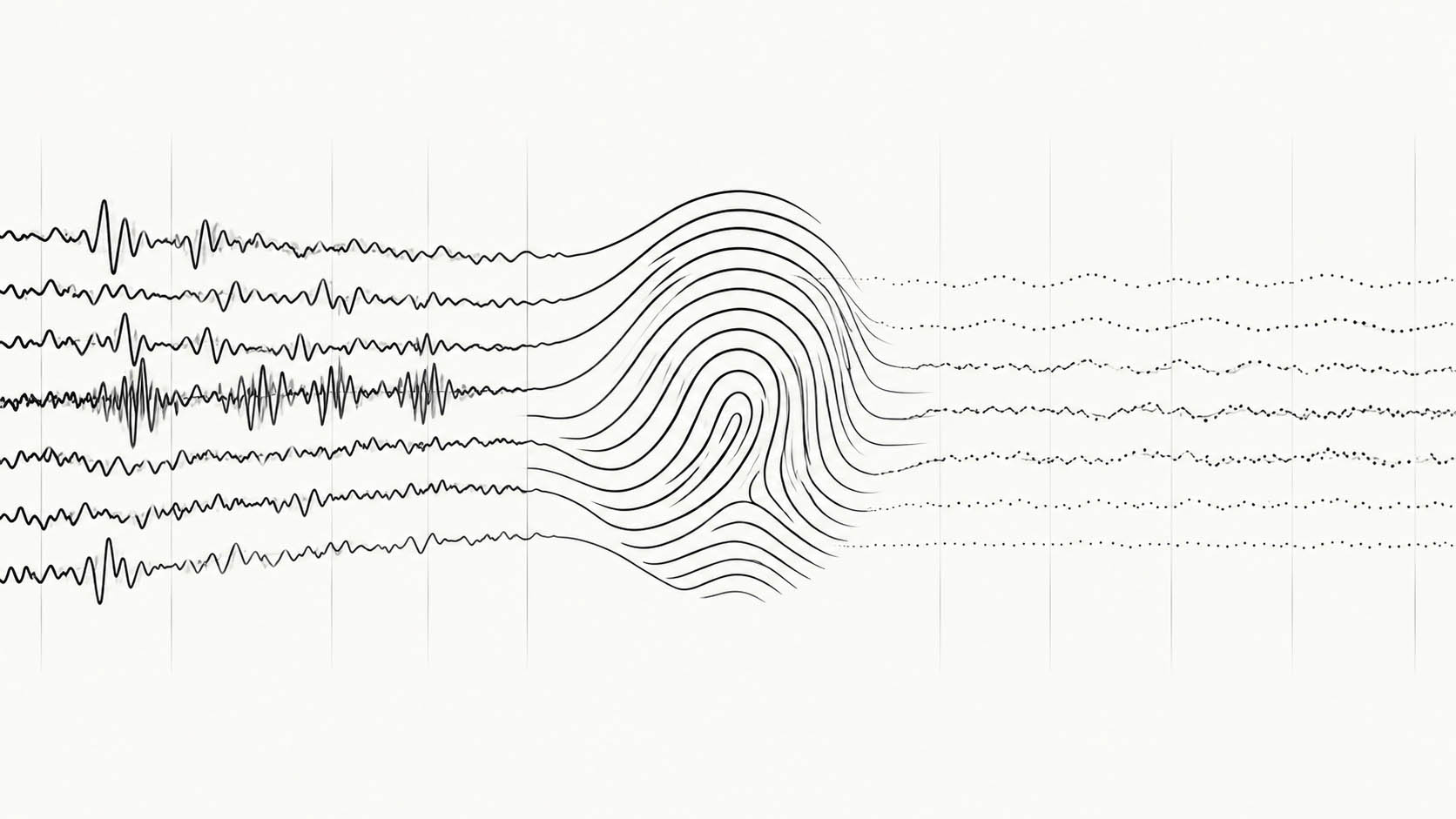
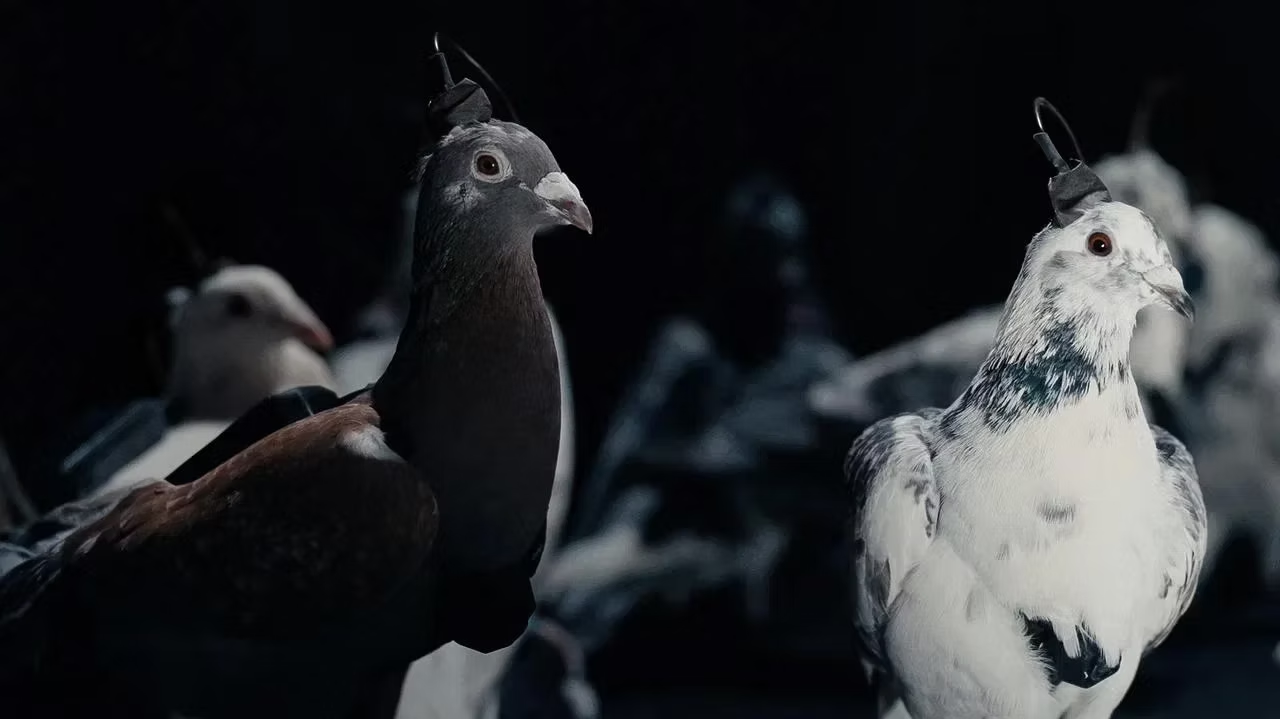
Neurotech devices usually follow a familiar path: tested in animals first, then slowly moving toward humans. This time, the animal model is getting all the attention. Russian neurotech startup Neiry has unveiled a program testing brain implants in pigeons. By stimulating specific regions in the birds’ brains via electrodes connected to a tiny solar-powered backpack, operators can reportedly steer them along predefined routes without any training. Gen Z has long joked about pigeons being remote-controlled government agents; now that meme is uncomfortably close to reality.
The announcement sounds funny, and is on a technical level quite impressive. But it also highlights a more troubling dimension of a rapidly developing neurotech industry. Neiry shows how quickly the field’s ethical boundaries can blur when regulation is thin and incentives are strong. The use cases for biodrone pigeons are narrow, yet the underlying technology sits in a grey zone where oversight is weak and intentions are hard to verify. As similar edge-case developments surface around the world, Neiry’s work reminds us that increasingly-accessible neurotechnology can easily be repurposed with few ethical constraints.
In public materials, Neiry outlines the pigeon project in fairly concrete terms. The company says it has been running test flights in 2025, with details emerging in late November. Electrodes are implanted in the pigeons’ brains and wired to a small backpack containing a stimulator, controller, GPS unit and solar panel. Operators send pulses to specific brain regions, which are said to trigger turning and navigation behaviours. In Neiry’s description, the flock can be launched from the lab, guided along a predefined route and brought back, all without prior training.
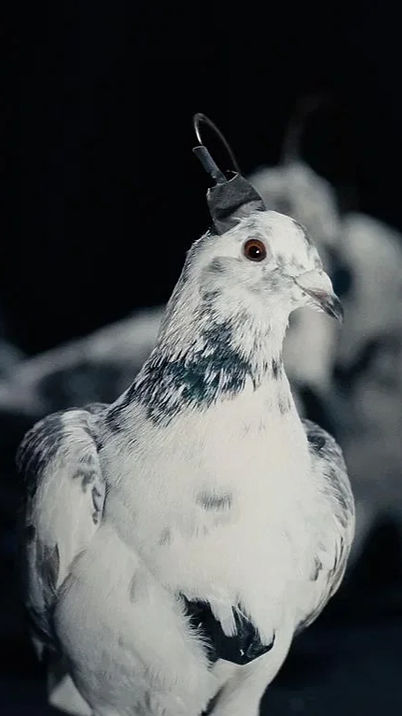
Neiry frames these birds as “biodrones” rather than research animals. The company points to applications such as inspecting power lines and pipelines, monitoring industrial facilities, surveying coastal areas and providing additional urban surveillance capacity. Media coverage has largely repeated that framing, occasionally focusing on the visual of pigeons wearing solar-powered backpacks. At the same time, very little technical detail or independent performance data has been released beyond Neiry’s own statements.
Behind the pigeon experiment sits a broader portfolio. Neiry is a Moscow-based neurotech company that works on both invasive and non-invasive systems. On the invasive side are projects like the pigeons, earlier rodent implants and neurochips for livestock. On the non-invasive side, Neiry sells wearables and interfaces for humans: headsets and trackers marketed as measuring stress, workload, attention and other mental states in real time. These products target employers, training providers and entertainment companies as tools to optimise performance, personalise content or support mental wellness monitoring.
Neiry's cow experiments sit somewhere between those two worlds. Under a programme often referred to as NeuroHorns, Neiry and partner farms have begun surgically implanting stimulators into dairy cows. The stated goal is to target brain regions linked to hunger, stress and fertility in order to stabilise or increase milk yield once conventional interventions have been exhausted. Company materials describe custom electrodes, adaptive stimulation protocols and early herds equipped with “neurochips” on Russian farms, and agribusiness outlets report encouraging early results. As with the pigeons, however, there are no peer-reviewed publications, independent assessments, or long-term welfare data in the public domain.
Electrical stimulation to influence animal behaviour is not new. For decades, labs have used deep-brain and cortical stimulation in rodents and other animals to study navigation, motivation and reward. But Neiry’s project packages those tools differently: electrodes, a backpack with GPS and RF links, and a solar panel combined into a semi–field-deployable system, operating far outside academic ethics structures. The company frames the pigeons not as research subjects but as infrastructure-surveillance tools, only a step away from calling them products. Without data, it is unclear how robust Neiry's behavioral control is, but the project shows how familiar components can easily be stitched together into applications that sit far from their original purpose.
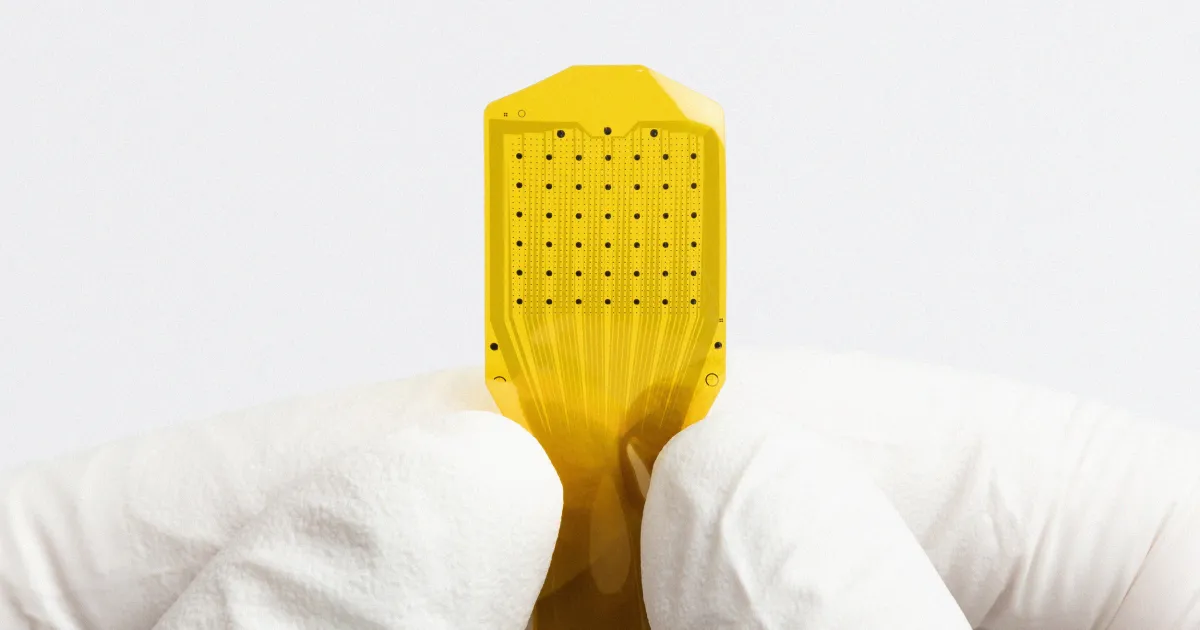
This contrast becomes sharper when set against mainstream invasive BCI development. Companies like Paradromics, Synchron, Precision Neuroscience and Neuralink are developing implants to restore speech, communication or movement in people with severe neurological impairment and little therapeutic options. These programmes justify surgical risk by aiming to return vital functions to patients. Neiry’s pigeon and cattle projects, by contrast, manipulate healthy animals for surveillance or productivity with no therapeutic intent. Once the underlying hardware exists, the line between restoration and control becomes a matter of norms rather than ability, and the question becomes who is empowered to draw it.
Neiry sits within a broader ring of global “edge cases” that stretch neurotechnology beyond traditional therapeutic boundaries. BrainCo’s EEG headbands in Chinese classrooms are an often-cited example. The devices claim to monitor children’s attention levels in real time, with data shared to teachers and parents, a project later paused after privacy concerns and public backlash.
But even outside of controversy-packed case studies, technological advances start to incite debates about ethics. In the west, there has also been a rise of wellness-oriented EEG and biosignal tools aimed at tracking stress, fatigue or focus. These systems vary in purpose and quality, but they share an underlying question about how neural data should be governed outside clinical settings. Even in established medical applications, neuromodulation techniques such as deep brain stimulation can produce shifts in mood or behaviour that raise long-standing debates about autonomy and identity.
Efforts to build guardrails are emerging, but face structural limits. In late 2025, UNESCO adopted the first global Recommendation on the Ethics of Neurotechnology, defining neural data as a special category and outlining safeguards for mental privacy, non-discrimination and use in education or employment. It is an important signal, but also only a soft law; guidance that governments can choose how, or whether, to implement. In practice, such frameworks cannot fully prevent biodrones, classroom headbands or workplace monitoring systems when local incentives, enforcement capacity or political priorities differ. The governance landscape is beginning to take shape, but gaps remain wide enough for edge-case applications to flourish.
These gaps mirror dynamics seen in AI. The challenge in AI governance was not only that models became more capable, but that they became widely available: small actors could combine open tools in ways regulators never anticipated. Neurotechnology is beginning to move along a similar trajectory. As invasive systems evolve and consumer neurotech becomes easier to access, more groups are able to recombine existing components in unexpected ways. And even rare and imperfect demonstrations can shape public imagination and draw policy attention.
This is where anticipatory ethics becomes essential. Clear red lines around invasive, non-therapeutic uses, especially in animals and healthy humans, would establish a higher bar for justification and transparency. Early rules for classroom and workplace neurotech could mirror the precautionary approach taken with facial-recognition bans in schools. And for BCI companies, ethics-by-design should mean treating autonomy, welfare and mental privacy as fixed product constraints. The same underlying tools that enable speech-restoration BCIs can also support biodrones or livestock optimisation. Whether they are pulled toward restoration or manipulation will depend less on ability than on the norms and incentives built around them.
.svg)








%20copy.jpg)