How can neurotech change your mind? From easing the tremors of Parkinson’s disease to boosting focus and memory, neuromodulation is finding its way into both clinics and consumer devices. Behind flashy headlines about “mind control” or “brain hacking,” however, lies a steady stream of decades-long research and development. At its core, neuromodulation is about altering neural activity through carefully delivered electrical, magnetic, physical, chemical, or genetic signals.
Each modality brings with it a unique suite of engineering challenges and advantages, making some better suited for certain applications than others. Think cost, invasiveness, complexity and not just how effective a device can be, but whether it can scale. As such, the evolving neuromodulation landscape is still at the mercy of the tech. Nevertheless, neuromodulation is not one breakthrough but a growing toolkit, and its future depends on aligning the right modality and the right research with the right problem.
Drugs that target the brain work everywhere all at once, which is why they often come with undesirable side effects. Neuromodulation, by contrast, can zero in on specific brain regions and circuits. This is important because many neurological and psychiatric conditions remain hard to treat with current treatment approaches. Advances in neuroscience, combined with leaps in technology like miniaturisation, have made more precise modulation systems possible.
With populations aging and chronic brain disorders on the rise, the demand for non-drug treatments that are both long-lasting and more effective is growing exponentially. Promises to restore brain function beyond symptomatic treatment have also sparked an interest in enhancing these functions, in a relatively reversible and drug-free manner.
FDA approved for depression since 2008, the most established neuromodulation tool is transcranial magnetic stimulation (TMS): Using magnetic pulses to nudge brain circuits. Now, it's also commonly used to treat OCD, migraine, and smoking cessation. Teams in both academia and industry are further innovating on the tech to deliver results quicker and in a more personalised fashion (applications: Resonait, SNT, BrainsWay).
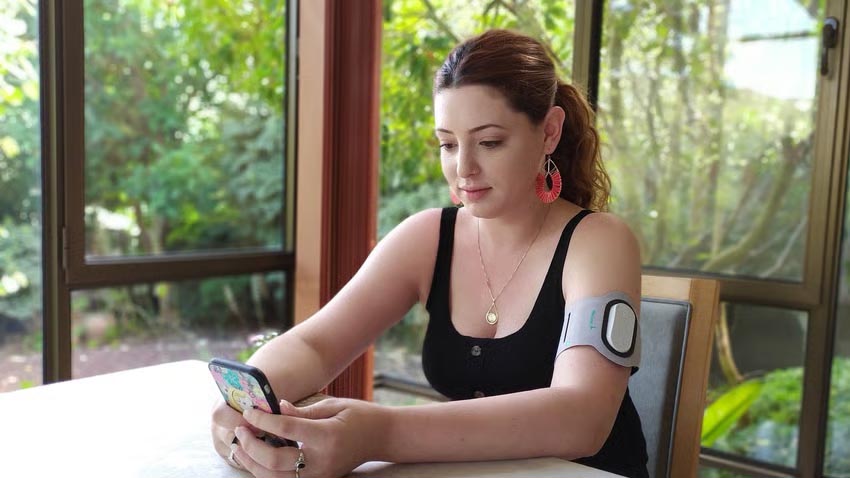
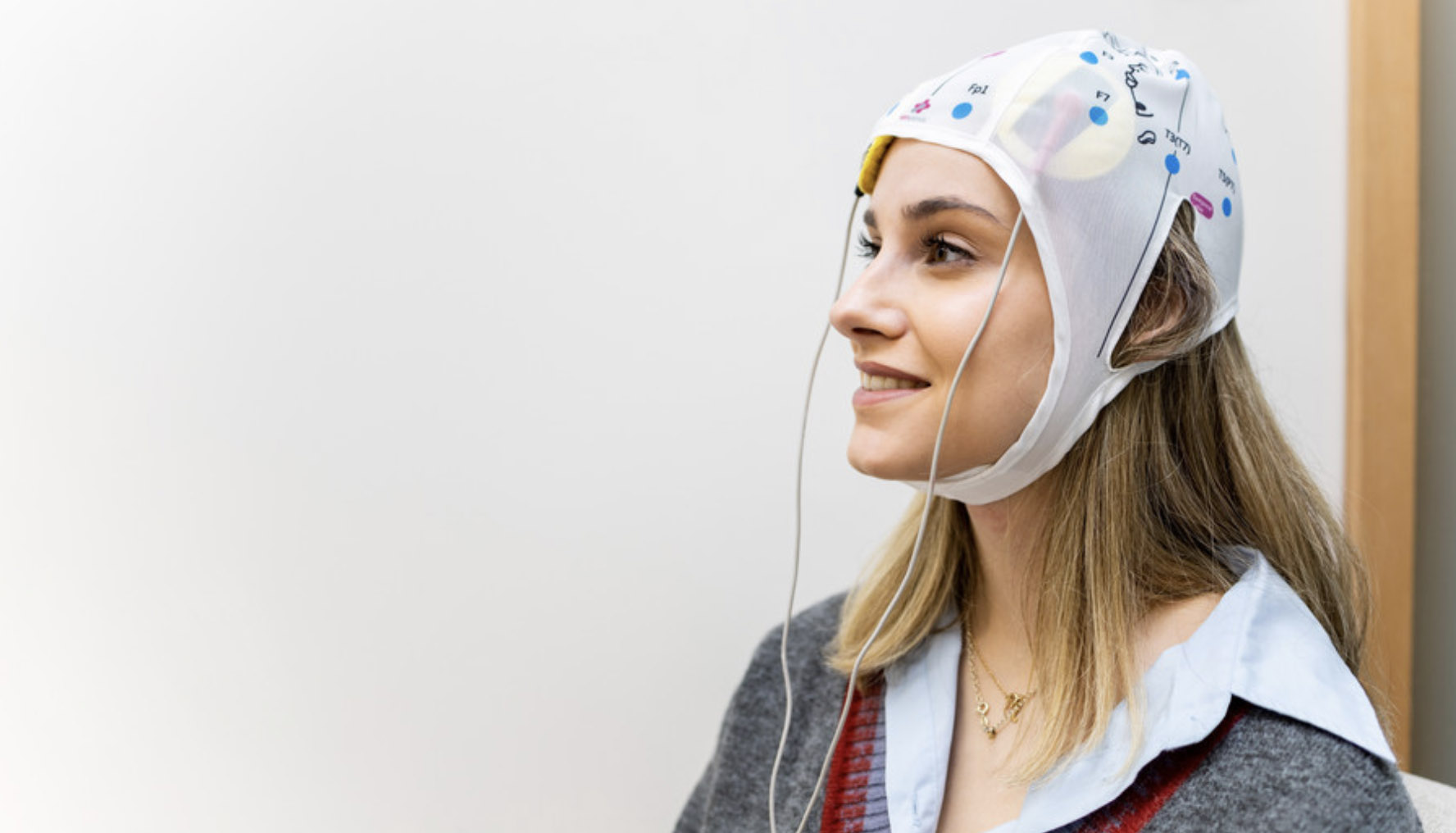
Meanwhile, transcranial electrical stimulation (tACS/tDCS) is simpler and cheaper, delivering small currents through scalp electrodes. Europe has approved devices for depression (Flow Neuroscience), and U.S. trials are testing them for depression, pain and ADHD (applications: Sooma, Soterix, Neurode). However, effects are more subtle and can be inconsistent between people. Despite this, consumer wellness devices increasingly market tDCS for focus and memory gains, though evidence may lag behind the hype.
Where TMS and tDCS struggle to reach deep targets, low-intensity focused ultrasound (LIFU) shows its edge. By steering ultrasound through the skull, it can hit deeper structures with millimeter precision. Trials are underway in Parkinson’s, epilepsy, pain, depression and substance use disorders. The promise of combined noninvasiveness with surgical-level precision is big. The challenge is calibrating safe and effective “doses” for each patient, but with startups like Sanmai, Nudge, and Forest Neurotech entering the field, it’s the modality to watch in the next few years.
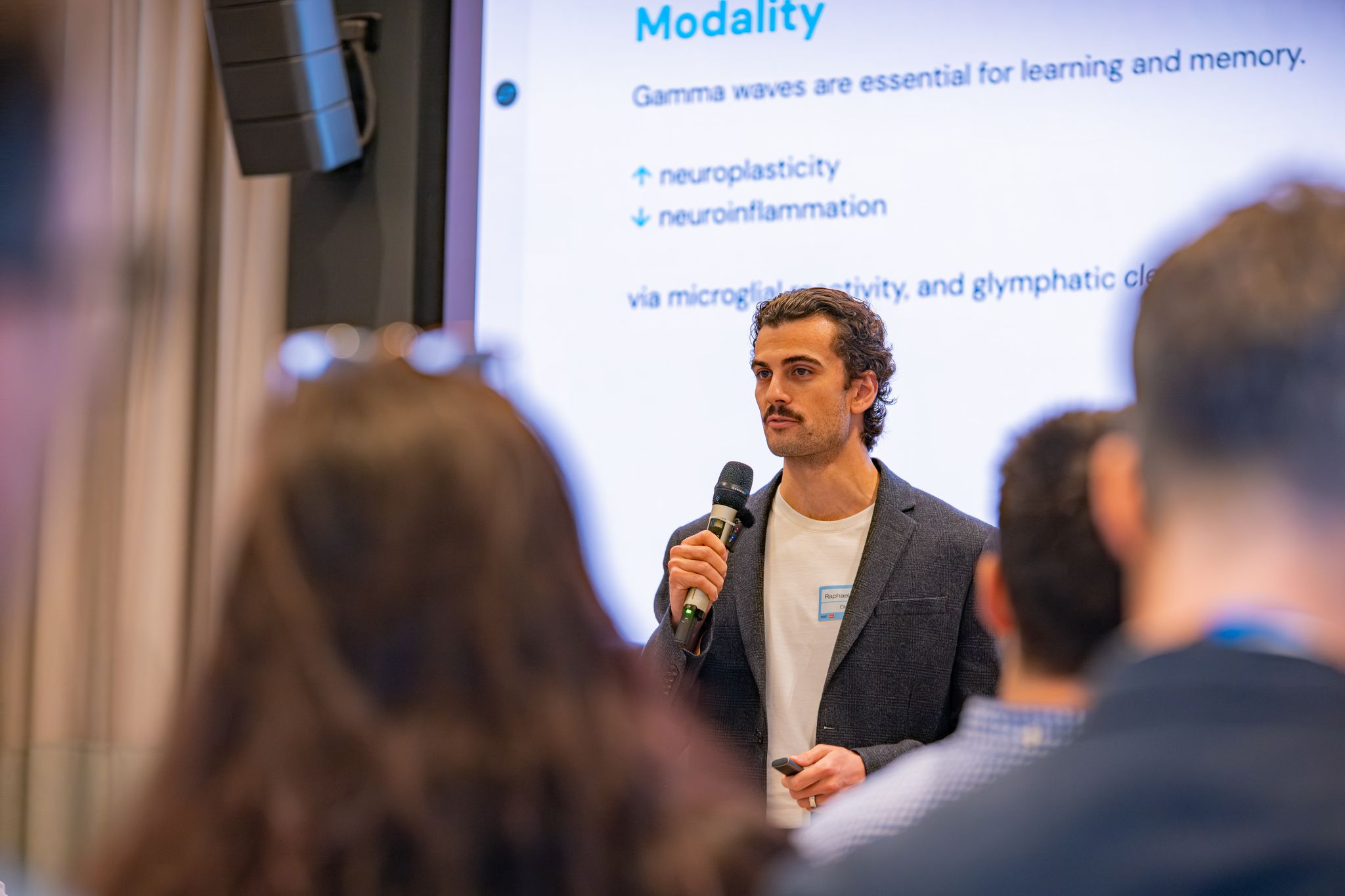
Other experimental ideas are bubbling up. Temporal interference (TI) uses overlapping electrical fields at different frequencies to sneak stimulation deeper into the brain; so far, mostly in lab models, with first-in-human studies now starting (Grossman et al., Science, 2017). Some groups are skipping electrodes altogether: companies like Cognito Therapeutics and Clarity are testing sensory stimulation (flashing lights or tones at 40 Hz) to “entrain” brain rhythms, a tactic being explored for slowing Alzheimer’s disease progression.
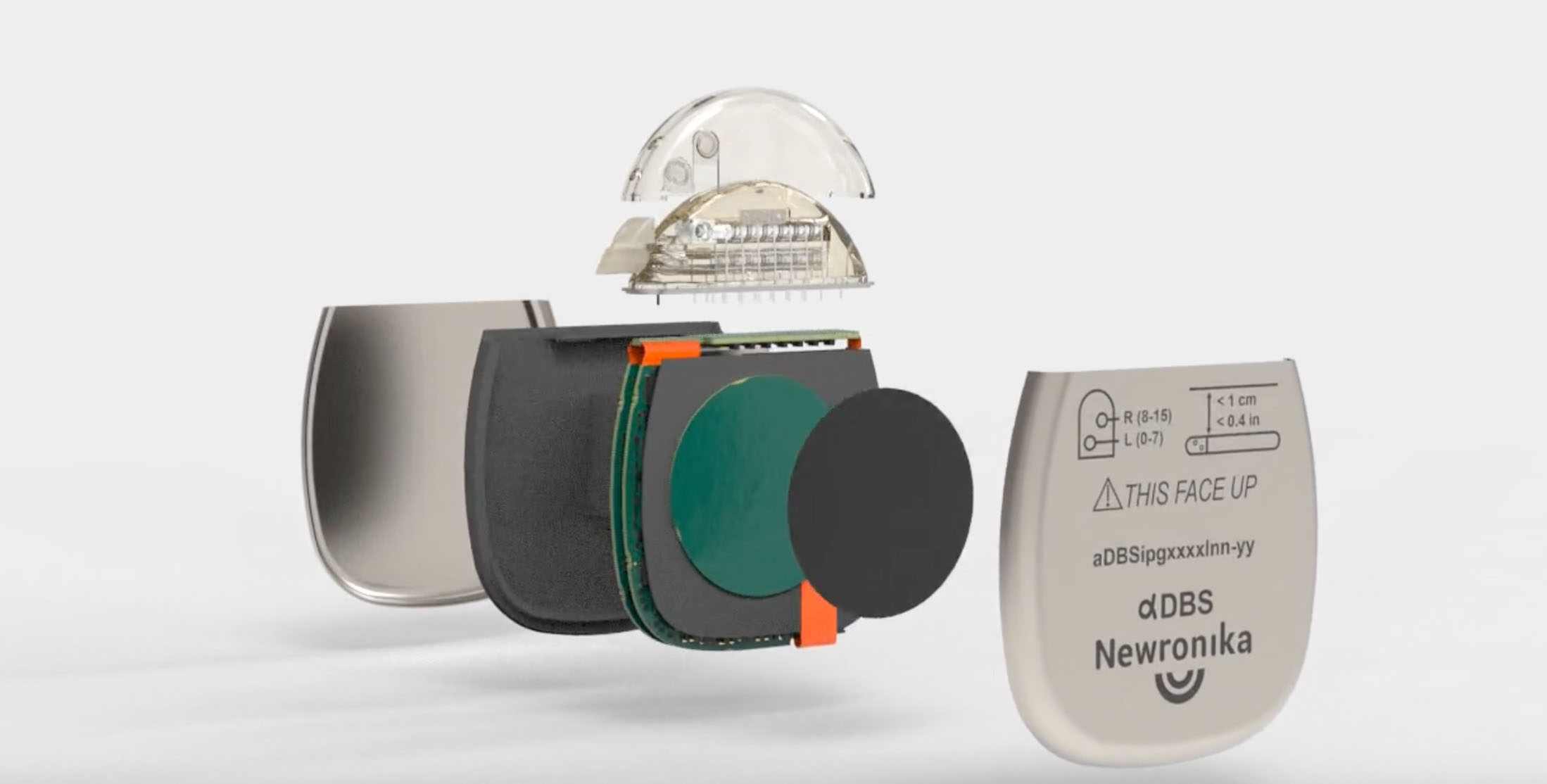
For patients with severe disease, implanted devices bring more power and precision. Deep brain stimulation (DBS) has been a mainstay for Parkinson’s and tremor for over two decades. Electrodes deep in the brain deliver steady pulses to calm disordered circuits. Psychiatry is the next frontier: DBS is used in rare, extreme OCD cases and is under study for depression, pain, and addiction.
Another class of neuromodulators works at the brain’s surface, through cortical or intracortical stimulation. Known best as the go-to implants for huge brain-computer interface players like Neuralink, Pandromics, Precision Neuroscience and Blackrock, cortical arrays refer to strips or grids of electrodes sitting on the cortex surface, while intracortical stimulation penetrates a little deeper into the cortex tissue.
Companies are racing to miniaturise, improve biocompatibility, minimise invasiveness, increase recording capacity and even the flexibility of cortical electrodes. For neuromodulation, this could mean targeting circuits with unprecedented precision, potentially down to the single neuron level. Smaller but still mighty companies like Motif Neurotech, Integral and Coherence are levelling up the tech to treat depression, neurological disorders and even brain tumors.
Not all neuromodulators go into the brain itself. Spinal cord stimulation (SCS) places electrodes along the spine, a standard for hard-to-treat chronic pain. New companies are springing up to use the tech in other conditions, such as stroke rehabilitation (Reach) and even movement restoration (Onward).
Meanwhile, vagus nerve stimulation (VNS) uses a cuff electrode in the neck. Traditionally approved for epilepsy and depression, VNS made headlines in 2025 with the FDA approval of SetPoint Medical’s implant for rheumatoid arthritis; proving that neuromodulation can influence not just the nervous system, but also the immune system.
Some of the most futuristic approaches are still in labs: optogenetics (using light-sensitive proteins to control neurons), chemogenetics (designer drugs that flip engineered switches), and sonogenetics (sound-sensitive neural circuits). Of these, optogenetics has begun to inch toward the clinic, with early trials in vision restoration (GenSight, Science.xyz).
Here, the idea is to inject engineered genes such that retinal neurons regain their sensitivity to light. Perhaps making the largest headline waves is the interest in sonogenetics from Merge Labs (headed by Sam Altman and Alex Blania). They are reportedly investigating this neuromodulation technique to enhance non-invasive control of next-gen BCIs.
While these methods are still years away from widespread use, their unprecedented precision, using unique genes to pick out specific cell types rather than broad regions, hints at what the next wave of neuromodulation could look like. That selectivity could, in principle, allow treatment of disease-driving neurons while leaving neighboring cells untouched. At the same time, these approaches could also unlock a deeper understanding of neural mechanisms.
Many established devices work, but often without a clear map of why. Genetic and molecular methods force scientists to define exactly which neurons matter, and how their activity shapes behavior or disease. Even if they remain confined to the lab for now, these tools are helping to illuminate the circuitry that more practical, clinical devices will eventually target. In that sense, they are not just distant prospects; they’re already reshaping the design and goals of neuromodulation today.
Neuromodulation has made remarkable progress, but challenges remain. For newer therapies with strong short-term results, all eyes are on the longevity of the effects. Surgical implants still carry infection risks, and their high cost makes them accessible only to a limited number of patients. On top of this, scientists are still working out the precise mechanisms of why some people respond dramatically while others don’t.
Even so, the trajectory is clear: devices are getting smarter, shifting from blunt “always on” stimulation to closed-loop systems that adapt in real-time to brain signals. Advances in imaging, computational modelling, and machine learning are making precision targeting more realistic, while combination therapies, pairing stimulation with drugs, psychotherapy, or rehabilitation, are opening new possibilities. Genetic-based neuromodulation will only increase precision and could change the way we think about the treatment of neurological disease.
Beyond the clinic, consumer devices are multiplying, promising boosts in focus or memory, which will hopefully strengthen the entire neuromodulation and neurotech industry. The next decade will likely see neuromodulation move from niche treatment to a much broader set of tools, with each modality converging towards its strongest application.
Neuromodulation is not one technology but many, each with its own strengths and trade-offs. Noninvasive tools are easier to use but less powerful; invasive ones deliver precision at the cost of risk and complexity. Experimental approaches promise even more selectivity but are still years from routine use.
What unites them all is a simple idea: that changing brain activity in just the right way can change lives. The trick is matching the right tool to the right problem: whether that’s calming tremors, easing depression, boosting focus, or one day restoring vision.
.svg)