MIT-spinout Encora Therapeutics has received FDA 510(k) clearance for Encora X1, a wrist-worn stimulation device for adults with essential tremor. The cleared indication notes relief of hand tremors in the arm during stimulation. X1 is not positioned as generating durable after-effects beyond its on-demand treatment. For Encora, the decision marks the transition from development and prior Breakthrough Device Designation into a commercially defined device category with multiple FDA-cleared peers.
Essential tremor is one of the most common movement disorders, not to be confused with the tremor involved in Parkinson's disorder. Essential tremor can turn basic tasks like eating, drinking, and writing into a daily struggle. Care typically starts with medication, while more severe cases can move toward procedures like deep brain stimulation or focused ultrasound. Wrist-worn tremor stimulation sits in the middle of that pathway, aiming to provide functional relief without invasive surgery or long-term medication regiments.
The FDA has cleared Encora X1 for market as a prescription wrist-worn therapy for adults with essential tremor. The decision came through the 510(k) pathway and places X1 within the established “external upper limb tremor stimulator” device class; a category that now includes a small number of FDA-cleared wrist-based systems. The indication is specific, denominated as an active-use therapy designed to support stability while being worn and delivering treatment.
Encora traces its origins to an MIT spinout founded in 2019, built around wrist-based stimulation for tremor relief. The company raised a seed round reported at $1.5M in September 2020. In 2021, Encora received FDA Breakthrough Device Designation for its wearable, and in late 2024 it reported completing the ULTRE trial evaluating the device in essential tremor. More recently, Encora appointed seasoned medtech executive Nadim Yared as Chairman and CEO, setting up the final stretch toward commercial clearance.
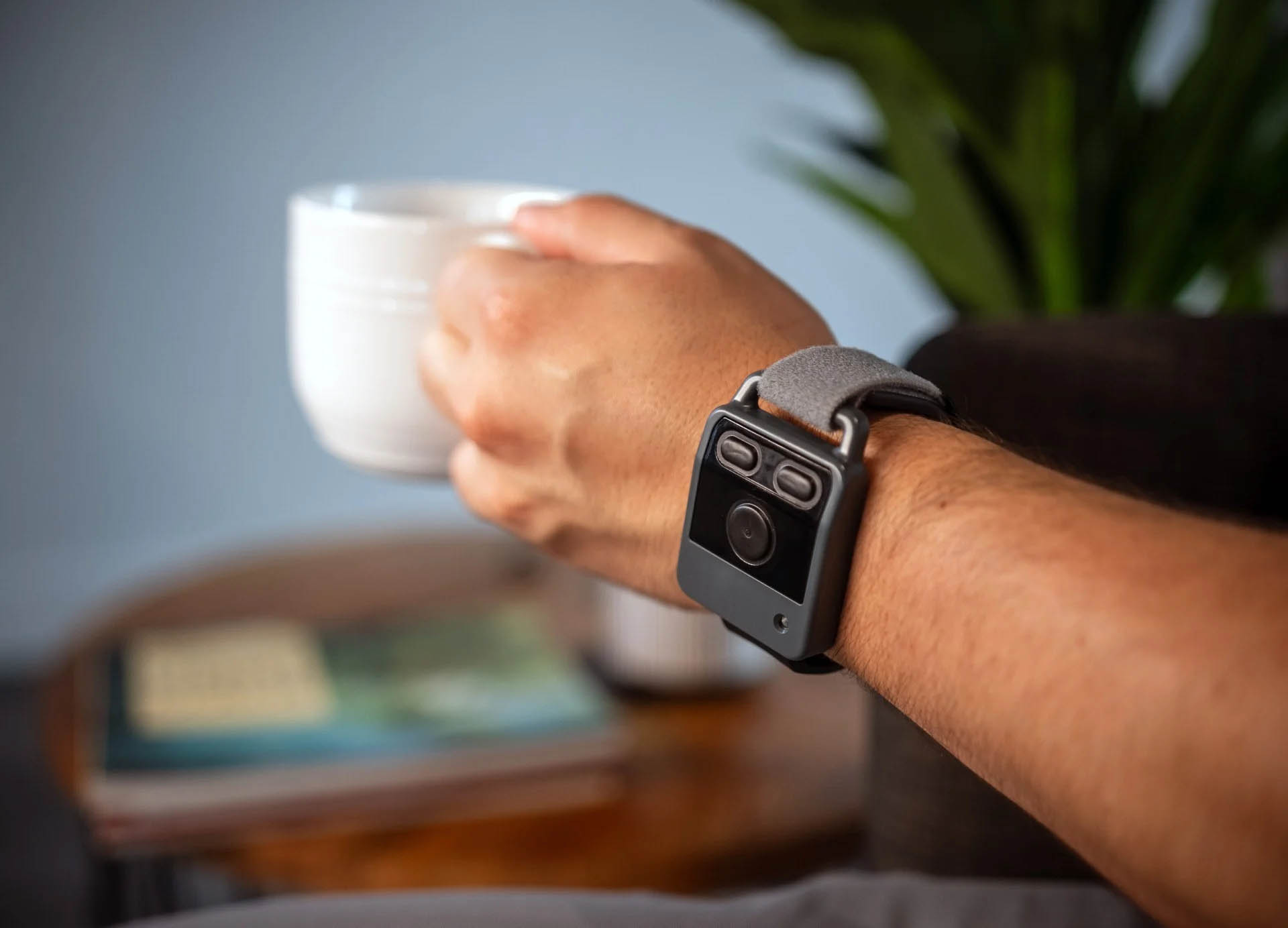
Encora X1 is a smartwatch-sized wrist wearable designed to sense tremor rhythm and deliver customized stimulation to the wrist. The company describes a closed-loop pattern where tremor signals are analyzed in real time and stimulation parameters are adjusted accordingly, aiming to support stability during daily tasks.
Encora’s clearance builds on the ULTRE study, a 47-patient randomized, double-blind, sham-controlled crossover trial. The trial assessed safety and tolerability, with secondary endpoints including clinician-rated tremor severity and activities of daily living measures, such as TETRAS and the BF-ADL scales. Encora reported improvements on clinician- and patient-rated outcomes during therapy periods, though detailed effect sizes have not yet been released. There is also reference of a 90-day home-use study evaluating impact in real-world settings.
Essential tremor usually involves an action tremor, meaning it shows up when the hand is being used. This creates significant limitations in what people can comfortably do in day to day life. Treatment often starts with medications like propranolol or primidone, while more severe or medication-refractory cases may move toward procedural options such as deep brain stimulation or MRI-guided focused ultrasound. Wrist-worn stimulation devices are built for the middle of that pathway: non-invasive, repeatable symptom relief that can be used at home, often timed around the moments when tremor is most disruptive.
Current electrical wrist systems first detect the user’s tremor frequency through onboard sensors, then deliver patterned pulses of stimulation through electrodes at the wrist. In TAPS therapy, stimulation alternates over the median and radial nerves and is calibrated to the individual’s tremor rhythm, so the sensory input is timed against the oscillation itself. The idea is to feed precisely timed signals into peripheral nerves that connect into the broader tremor network, including thalamic and cerebello-thalamo-cortical circuits, dampening tremor amplitude in some users during and sometimes after a session.
Encora’s approach has been more closely linked to vibrotactile stimulation, where controlled vibration patterns are applied at the wrist rather than electrical pulses through electrodes. The underlying concept is similar: structured sensory input at the periphery can influence the neural circuits that sustain tremor. While the exact mechanisms and optimal patterns may differ between electrical and vibratory modalities, both strategies aim to shift tremor dynamics through timed peripheral stimulation rather than direct brain intervention.
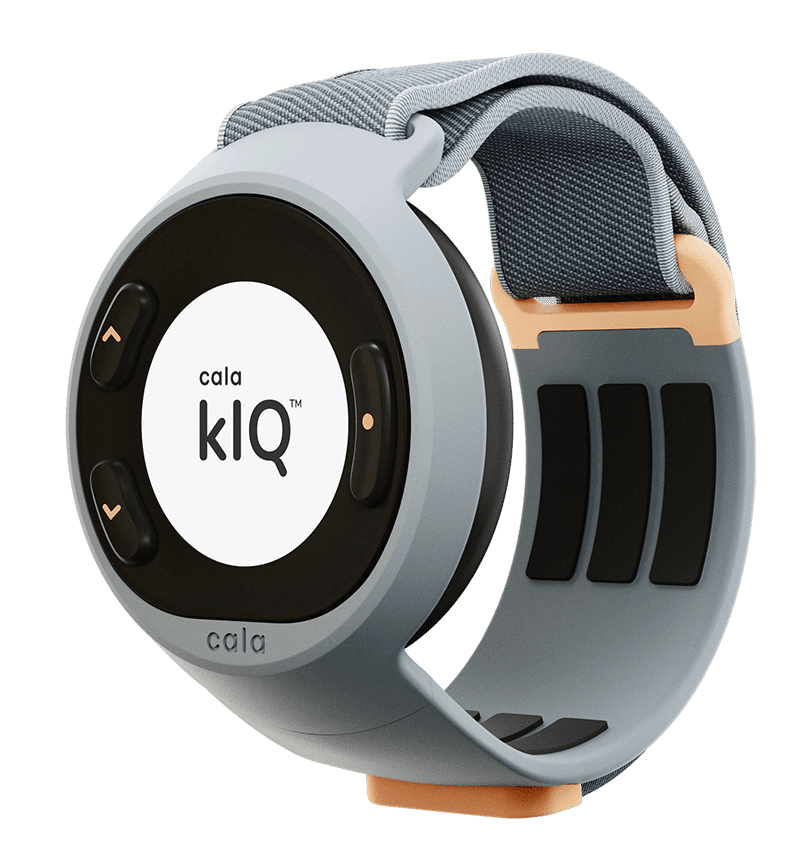
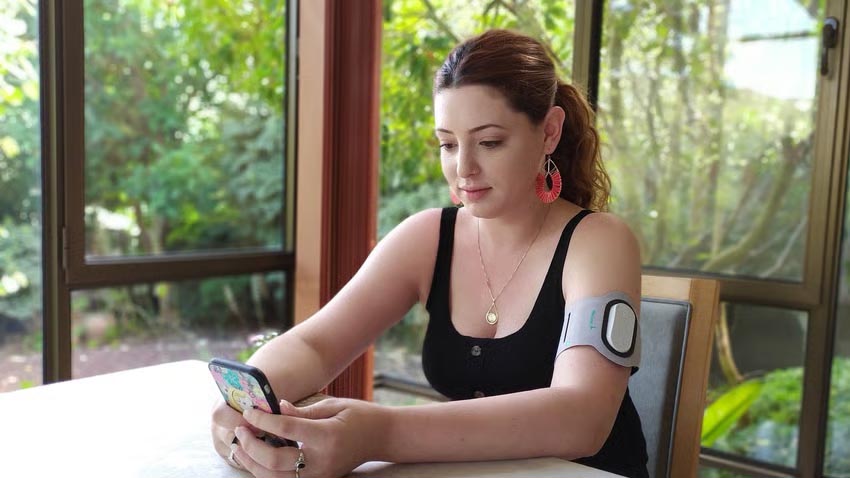
That category now has clear reference points. Cala Health's klQ wearable is indicated for temporary relief of hand tremor following a stimulation session, meaning benefit is expected after a defined therapy period. Fasikl’s Felix NeuroAI is indicated to aid tremor-related limitations while the device is worn, tying benefit to active use. Encora X1 is also indicated for relief during stimulation, centering the effect on the period when therapy is being delivered. All three sit in the same FDA device class, but differ in how the timing of benefit is defined in their cleared labeling.
[Cover image: Encora Therapeutics]
.svg)