

.jpeg)
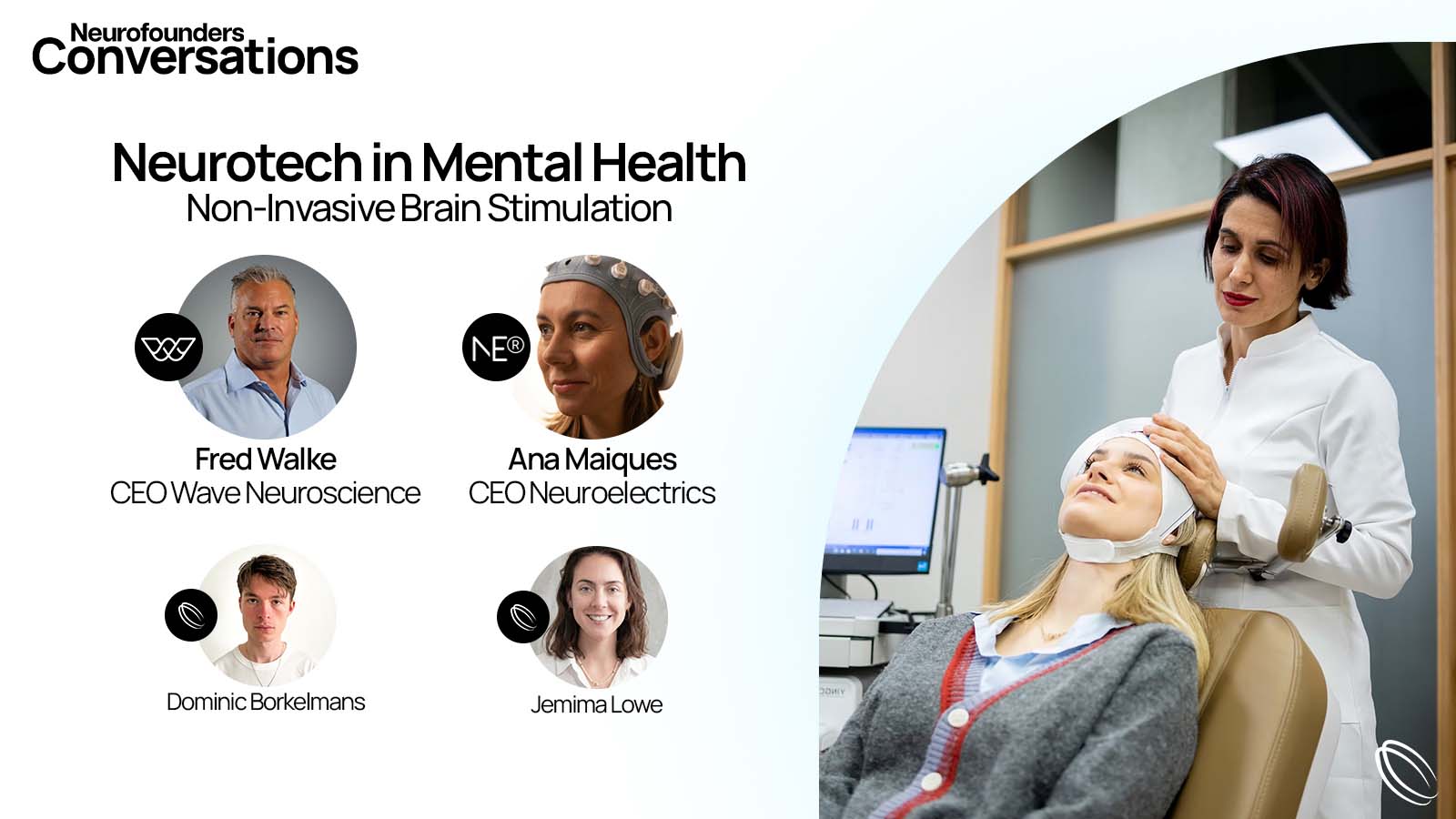
Wave Neuroscience develops non-invasive neuromodulation technologies designed to optimize brain function through personalized interventions. The company’s platform combines EEG-driven brain mapping with tailored stimulation protocols to support cognitive enhancement and mental health outcomes. Its approach focuses on measuring individual neural patterns and adapting therapy to modulate specific brain networks. Wave Neuroscience positions its technology within applied neuroscience and digital mental-health contexts.
The technology records EEG signals to generate individualized brain maps, identifying areas of dysregulation or suboptimal activity. Personalized neuromodulation protocols are then applied using non-invasive stimulation methods to target these networks. The system emphasizes adaptive, closed-loop intervention, allowing protocols to evolve based on ongoing neural response. This approach prioritizes precision and personalization rather than one-size-fits-all therapy.
Wave Neuroscience targets individuals seeking cognitive optimization, stress reduction, or mental-health support through non-pharmacological interventions. The platform is intended for use outside traditional clinical pathways, focusing on wellness and cognitive enhancement. Its positioning reflects broader interest in EEG-guided, personalized neuromodulation as a tool for improving mental performance and emotional regulation.
.jpeg)
Neuroelectrics develops non-invasive neurotechnology systems that combine wireless EEG monitoring with brain stimulation. The company’s product portfolio includes devices such as Starstim and Enobio, which are designed to support both neural recording and stimulation within a single platform. Its systems are used across research, clinical trials, and therapeutic development contexts. Neuroelectrics positions its technology within regulated clinical and research environments rather than consumer wellness.
The technology integrates electroencephalography with transcranial electrical stimulation techniques to enable simultaneous measurement and modulation of brain activity. Wireless operation supports flexible experimental and clinical setups, while software tools allow configuration of stimulation protocols and real-time data analysis. This combined sensing-and-stimulation architecture supports closed-loop and adaptive neuromodulation paradigms. The platform emphasizes versatility across experimental, investigational, and therapeutic use cases.
Neuroelectrics targets neuroscience researchers, clinical trial sponsors, and healthcare providers developing or evaluating neuromodulation therapies. The systems are intended for use in structured research and clinical settings under professional supervision. Its focus reflects broader efforts to advance non-invasive brain stimulation through integrated, programmable, and data-driven neurotechnology platforms.

.svg)