
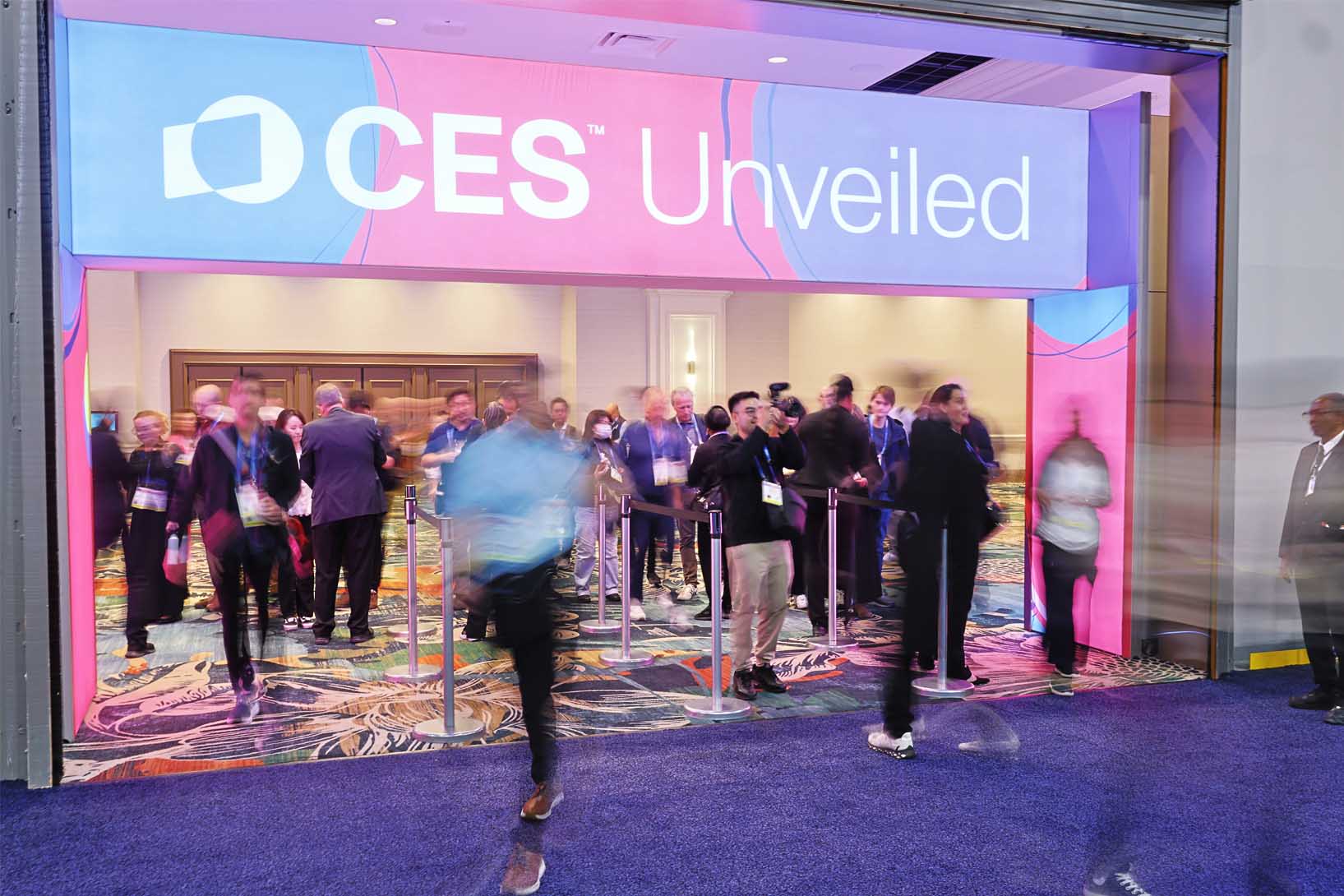
CES has over the years become the annual proving ground for consumer technology. The 2026 edition unfolded last week in Las Vegas, and alongside the usual mix of gadgets, an increasing amount of neuro-related products appeared on the floor. Most, in a few familiar form factors. Sleep bands promised deeper insight into nightly brain activity, earbuds claimed to sense focus and intent, while gaming headsets framed neurofeedback as part of play. This year, neurotech was no longer confined to the edges of the show floor but became a category to watch.
Many of the strongest neurotech signals from CES 2026 clustered around a small set of recurring ideas. Sleep remained the most accessible entry point into the brain, with EEG, EMG, and multi-sensor systems framed around rest and recovery. The ear emerged as a second focal point, turning earbuds and headsets into platforms for reading brain waves. At the same time, large consumer brands expanded “brain health” narratives into product offerings using behavioral and physiological proxies. Together, these clusters offer a preview of the form factors and use cases likely to shape consumer neurotech over the coming year.
NAOX Technologies drew considerable attention at CES with a pair of in-ear EEG earbuds that blend clinical utility and consumer promise. Last week, its NAOX LINK platform secured FDA 510(k) clearance as the first in-ear EEG device designed for use in healthcare and home environments. At the same time, NAOX unveiled Naox Wave, wireless earbuds built on the same underlying EEG architecture and positioned around everyday neura-signal tracking. The core idea at the booth was to place EEG into an earbud form factor that can span both regulated and consumer settings.

IDUN’s presence at CES leaned into the idea of earbuds as a developer’s data platform rather than just hardware. The company showcased its new generation of earbuds, the Guardian 4, paired with a Cognitive Intelligence Platform that turns in-ear EEG signals into higher-level outputs such as cognitive readiness scores and workload estimates. At CES, the messaging centered on what the hardware reports and how those summaries could integrate into user routines, rather than on raw signal collection.
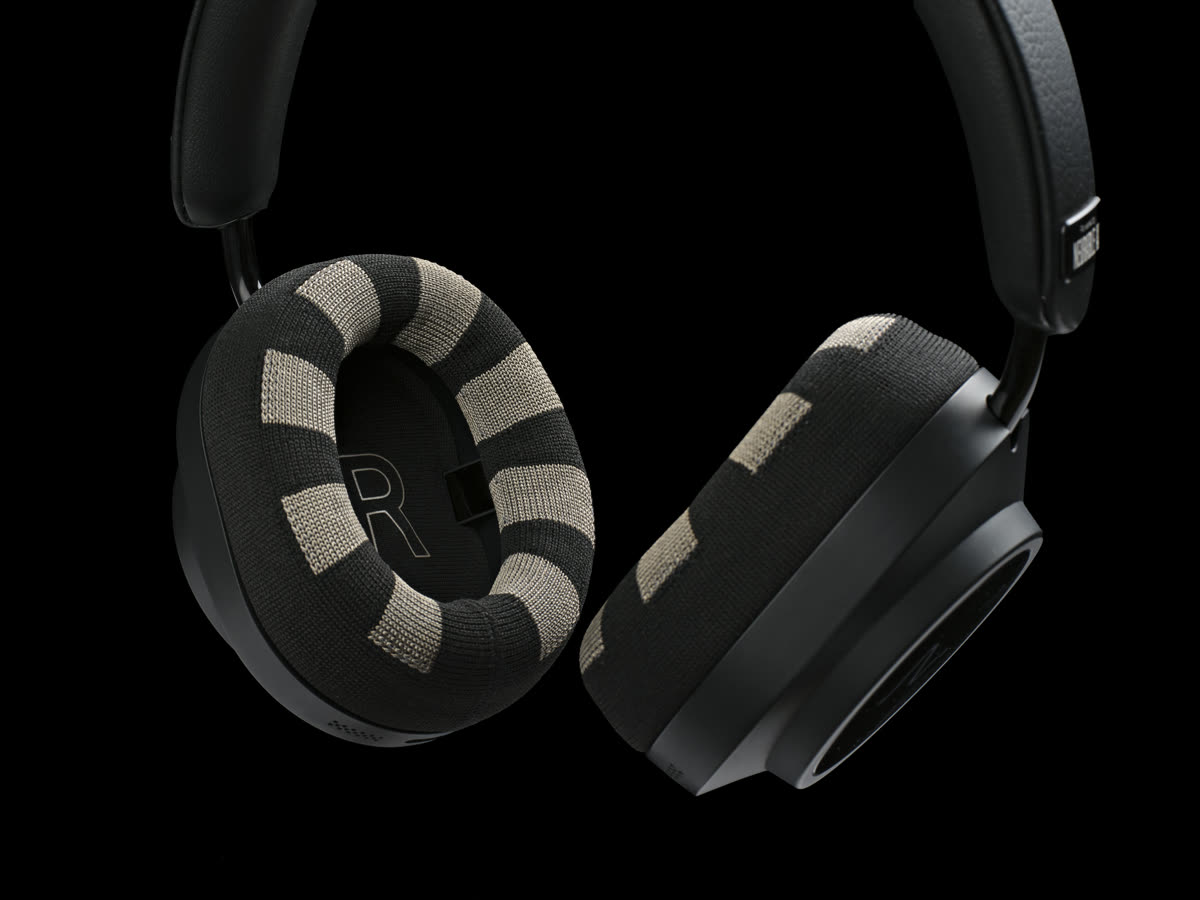
Gaming offered another take on brain-linked headsets. Neurable, fresh off their Series A, showcased a prototype gaming headset developed together with HyperX. The headset contains the familiar EEG sensors embedded into the ear pads, capable of tracking focus and allegedly enabling neural “priming” routines before gaming. The demo was clearly early stage: no pricing or release timing was announced, and multiple outlets noted its prototype status. Still, it underscored how EEG wearables are moving beyond clinical and wellness contexts as neurotech startups seek robust usecases in lifestyle hardware.
Not all ear-worn innovation at CES was based on EEG. Naqi’s neural earbuds won a CES Innovation Award for an ear-mounted interface that uses facial micro-gestures, such as jaw clenching, brow movements, and blinks, to control devices without touch. The system relies on peripheral signals rather than brain activity, placing it closer to EMG-style interaction than to neural recording. While it does not fit most definitions of neurotechnology, it does reinforce a related trend: the ear is increasingly treated as a site for low-friction reading and control, even when the signals themselves are proxies, not direct from the brain.
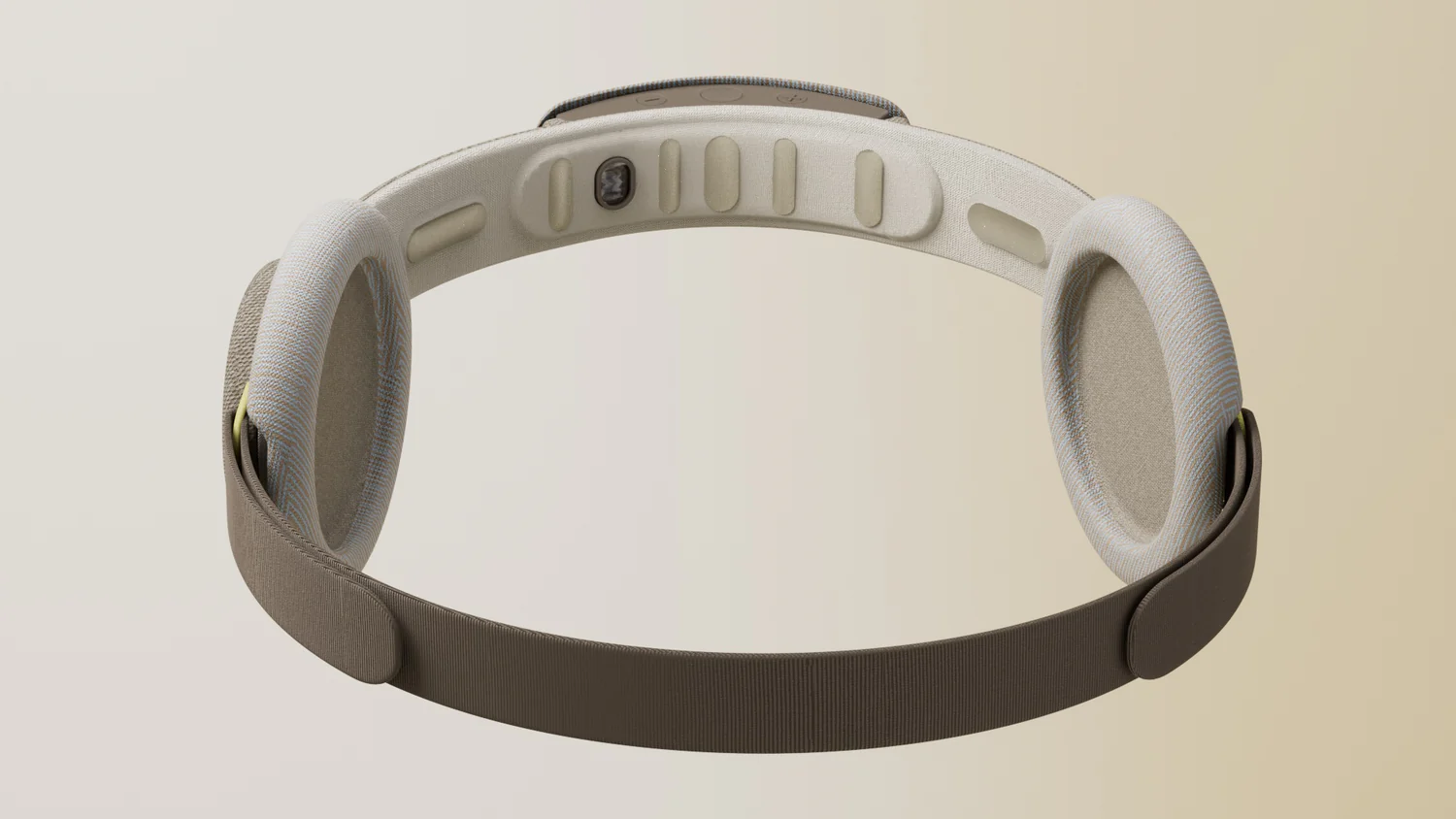
Sleep was again an active entry point for consumer neurotech at CES, and LumiMind, originating from a Chinese electronics firm, Stonehill Tech, used the occasion to introduce LumiSleep. The system was framed as a real-time EEG-guided sleep onset tool, combining a headband with sound that adapts to brain activity as users fall asleep. CES demos emphasized millisecond-level feedback during sleep initiation, rather than all-night monitoring. The positioning was deliberately narrow, contrasting with sleep EEG approaches from companies like NextSense, which focus on continuous overnight recording and longitudinal sleep metrics.
Earable Neuroscience used CES to reinforce its focus on consumer sleep. The company announced it had joined the National Sleep Foundation’s SleepTech Network and unveiled a SuperBrain Edition of its FRENZ Brainband, a special edition using the same underlying hardware. On the show floor, FRENZ was presented as a sleep-oriented wearable combining EEG measurements with audio-based interventions, framed as a closed-loop experience. The messaging stayed within sleep quality and recovery, aligning Earable with a wellness pathway rather than clinical monitoring or daytime performance use cases.
CES also featured more ambitious attempts to bring clinical-style sleep measurements into the home. Tedream, developed by the Korean Wis Medical, received a CES Innovation Award for a multimodal system that incorporates EEG, ECG, EMG, SpO₂, and more. The concept is positioned as a home alternative to the sleep lab, with disposable or reusable patches applied across the body. At CES, Tedream was framed as a bridge between consumer sleep tracking and medical-grade assessment.
Sleep-focused neuromodulation also appeared at CES. NeuroTx introduced WillSleep, a neck-worn device that applies transcutaneous vagus nerve stimulation, a modality increasingly explored in consumer sleep products. CES Innovation Awards materials describe short stimulation sessions positioned around improving sleep onset, rather than continuous overnight use. As presented at the show, WillSleep frames vagus nerve stimulation as a wellness intervention integrated into nightly routines, distinct from clinical neuromodulation or regulated therapeutic pathways.
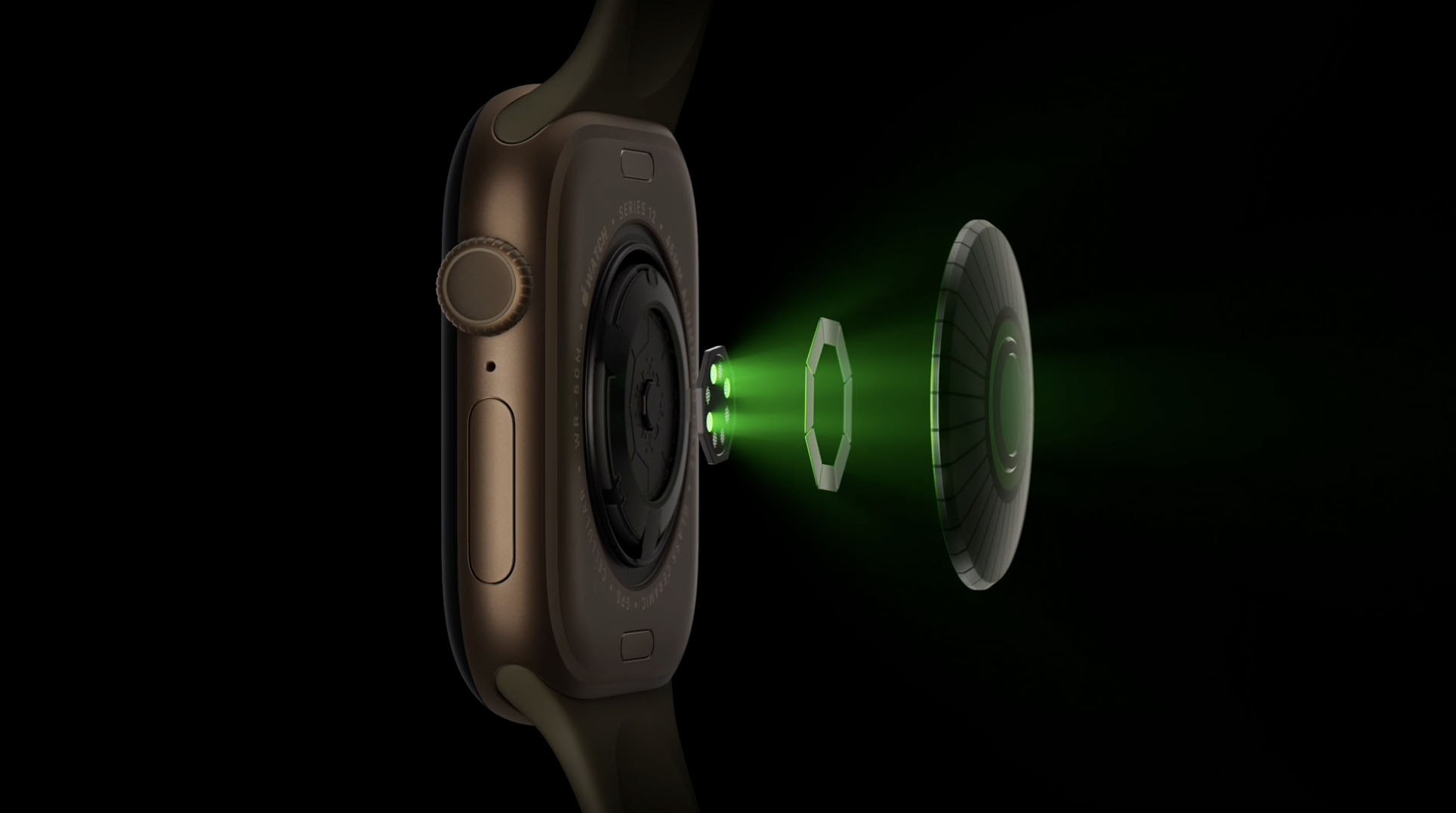
Large consumer brands also used CES to incorporate brain health and neurotech, even without directly touching brain interfaces. Samsung shared a Care Companion concept built around detecting early signs associated with cognitive decline through everyday behavior. The system draws on data from phones, watches, and rings to track changes in movement, routines, and interaction patterns, with alerts intended to support caregivers. As described by the company, the emphasis is on longitudinal monitoring and early signals rather than diagnosis, using behavioral proxies as a stand-in for direct neural measures.
A similar proxy-based approach appeared in Withings’ CES announcements. The company introduced Body Scan 2 as a daily health station that extends beyond weight and body composition into measures linked to autonomic nervous system function. CES coverage highlighted electrodermal activity and related “nerve health” metrics, which reflect changes in sympathetic nervous system activity. While Body Scan 2 does not measure brain signals directly, its positioning places nervous system state alongside cardiovascular and metabolic health within consumer measurements.
Finally, emotion and mental state tracking surfaced through smaller exhibitors. Nirva unveiled a jewelry-form wearable marketed around emotion tracking and self-awareness. The product frames emotional state as something that can be inferred from physiological signals and trends over time, rather than from explicit user input. Although not positioned as a clinical tool, it reflects a growing consumer interest in quantifying mood, stress, and internal state, either through proxies or direct neural readings.

.svg)








.svg)

