Nowadays, we’re constantly nudged by our devices to improve ourselves, from Duolingo hounding us to learn a new language to Strava peer-pressuring us into going for a run. Yet few consumers have made a habit of training their brains. And with social media algorithms and chatbots arguably dulling our cognition, that habit may soon become a vital remedy. A Swedish startup is betting that the solution lies in a validated neuroimaging headband that turns cognitive training into a game.
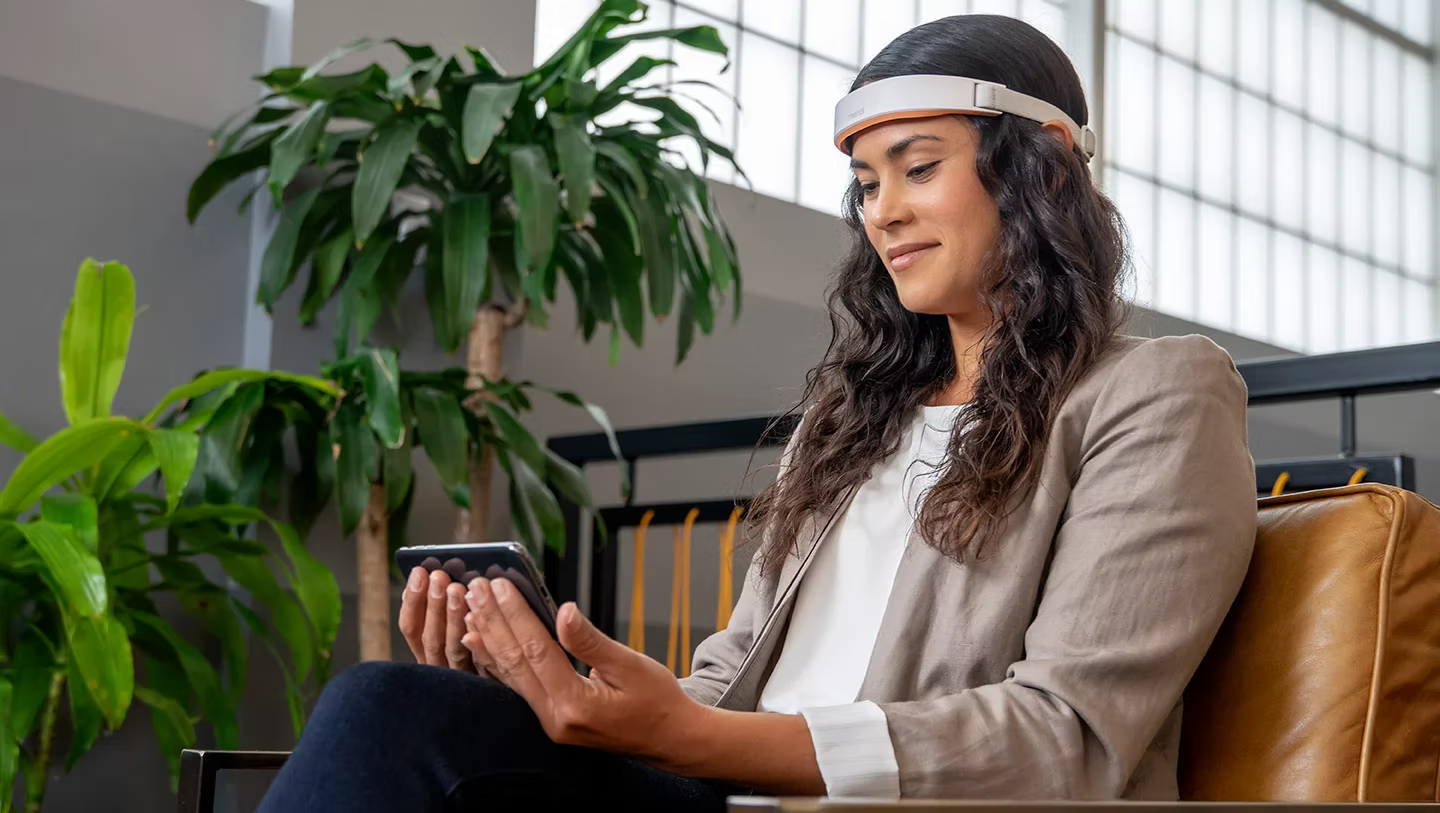
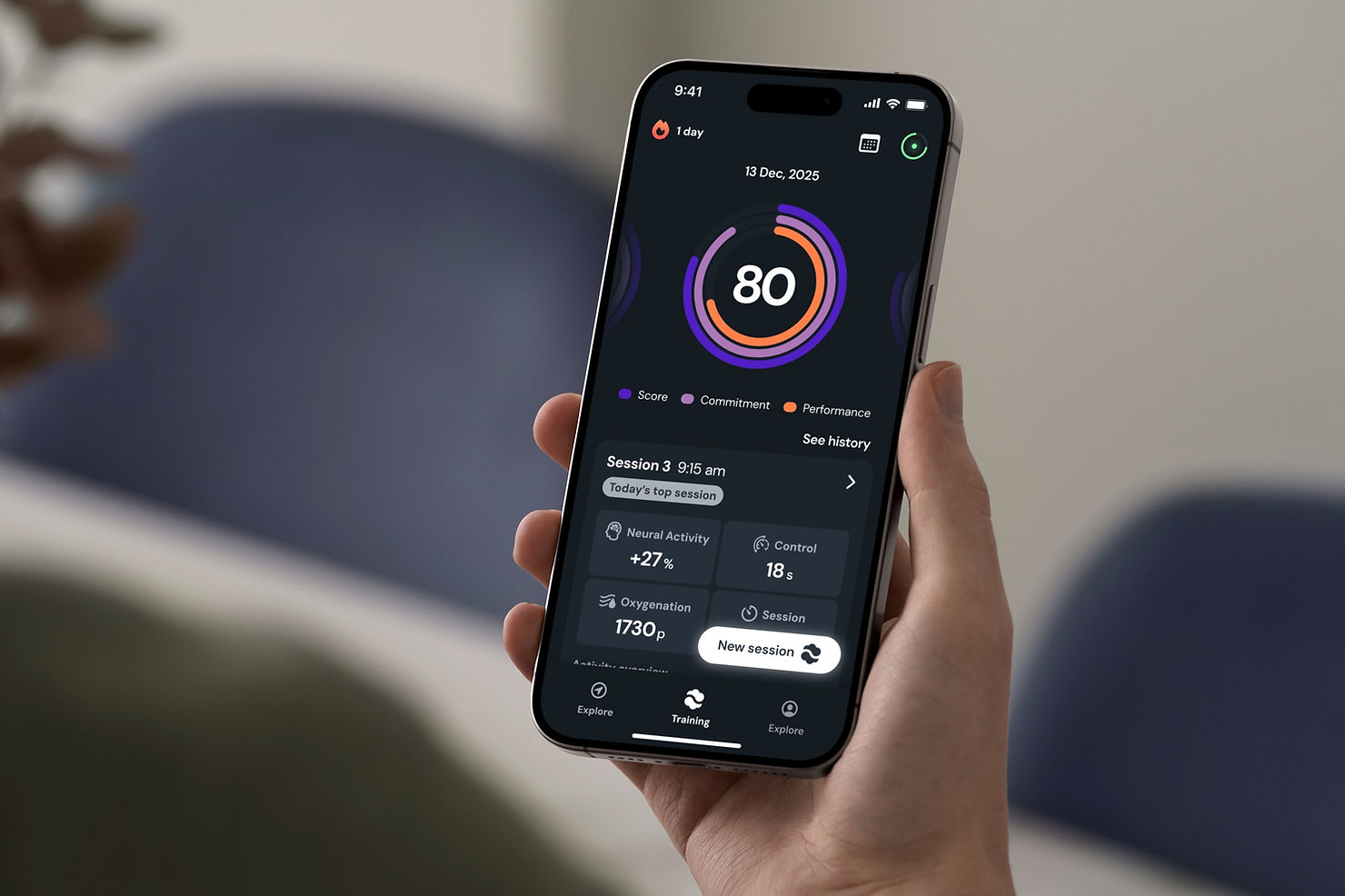
Mendi Innovations, a crowdfunded Swedish neurotech start-up founded in 2018, has created a $300 wearable headband that can quite literally peek into your brain. It uses functional near-infrared spectroscopy (fNIRS), sending light into the frontal cortex to measure cognitive load in near real-time. Through daily exercises in Mendi’s companion app, users can train their brains and track progress over time. But bold claims can be made by anyone. Dr Mustafa S. Hamada, who joined Mendi in 2022 as Chief Product and Science Officer, aims to ensure those claims hold up and to shape wellness products firmly grounded in scientific evidence.
Mustafa didn’t set out to become a neuroscientist. While exploring master’s programs, he stumbled upon the field and was captivated by its blend of experimental neuroscience, biophysics, and human behavior. That curiosity grew into a full academic path, leading him to pursue a PhD at the Netherlands Institute for Neuroscience, where he worked across neuroscience and biophysics.
After completing his doctorate, he continued as a postdoctoral researcher for six months before facing several bouts of academia-induced burnout. The constant pressure to publish and secure grants created an unstable environment, one that too often pulled him away from the science he truly cared about.
With few opportunities to apply his research skills in industry, the Swedish scientist left research to work as a backend engineer at a medtech company in Gothenburg, Sweden. Over three years, he gained valuable insight into how products are built and brought to market. In 2022, his return to science came as Mendi recruited him as Chief Product and Science Officer, a role that combined his love for research with his ability to engineer meaningful tools.
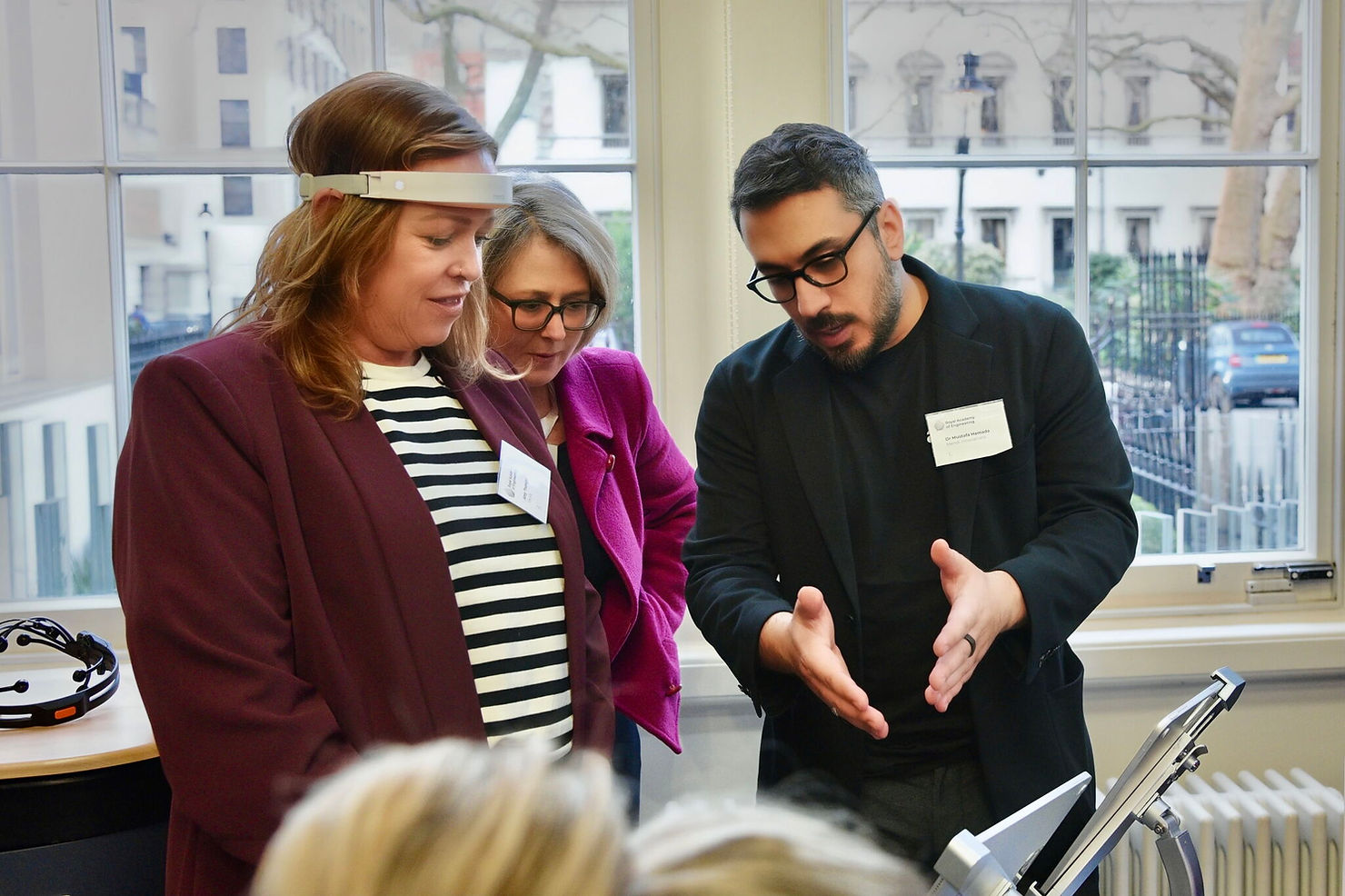
At the time, Mendi was still in its early stages, finding its footing in consumer neurotech, a largely unregulated space. To position the company as a leader in gamified neurofeedback, Mustafa’s mandate was to make Mendi a science-first consumer startup. He joined a team with a promising approach: a feedback app paired with a proprietary headband using functional near-infrared spectroscopy (fNIRS). But while the potential was strong, Mustafa saw a risk that Mendi could drift into becoming just another e-commerce gadget, rather than a credible brain health tool.
His first move as CPSO was to launch a validation-by-association strategy, partnering with leading universities such as the University of Nottingham in the UK, TU Delft in the Netherlands, and several other universities around the world. Together, they began systematically validating every aspect of the product. This culminated in two peer-reviewed papers from the University of Victoria in Canada, confirming that the Mendi headband can reliably measure cognitive load as a portable neuroimaging device.
Mustafa S. Hamada was awarded the 2024 Grand Prize for Engineering in Innovation at the Swedish Engineering Awards for his work in neurotechnology. But with most of Mendi’s users based in the United States, Mendi’s real highlight came at last year’s CES conference. After collaborating with Accenture’s San Francisco-based Innovation Lab on a concept called the Brain Gym, Linda Hamilton, global innovation executive at Accenture, showcased the Mendi headband live on stage, marking a defining moment for the company’s visibility in the neurotech space.
Unlike most consumer neuroimaging tools, Mendi chose not to rely on EEG technology. “EEG is more of a global brain signal,” Mustafa explains. “We’re primarily interested in the frontal lobe because we want to train the prefrontal cortex. fNIRS is less prone to motion artifacts, cheaper to manufacture for our use case, easier to work with, and the signal is more localized.”
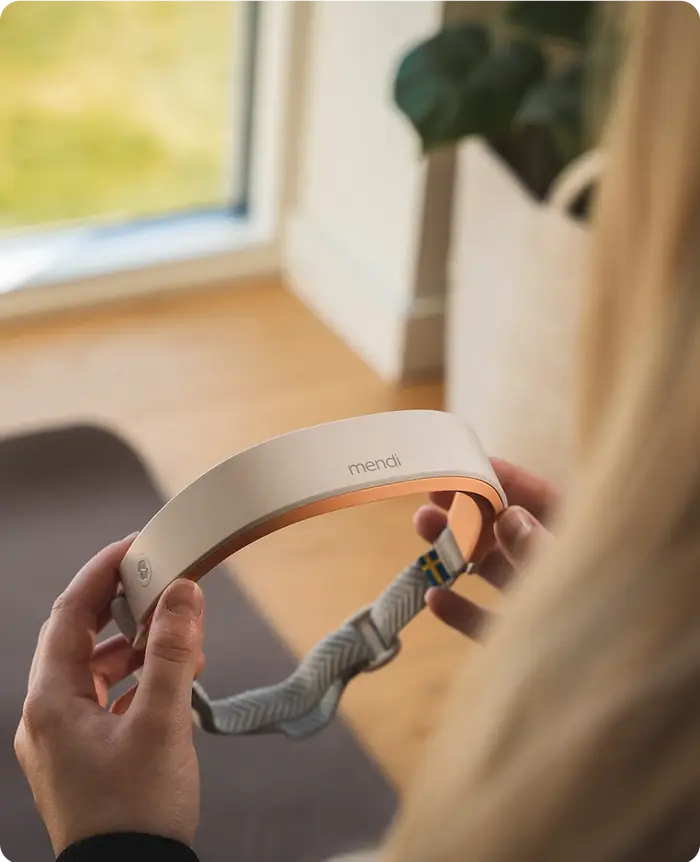
The Mendi Headband.
He breaks down how the system works: “There are different types of fNIRS modalities, frequency-domain, time-domain, and continuous-wave. We use continuous-wave, which measures changes in oxygenation levels in the prefrontal cortex, like an fMRI, rather than absolute levels. It’s extremely simple. We don’t have many channels, just a dual LED, two long channels, and one short channel. That’s all we need to deliver an immersive gamified neurofeedback experience.”
The University of Victoria research group put that claim to the test. They fitted thirty university students with a Mendi headband as they performed both low and high-working-memory tasks. The headband, equipped with two light sources (red light: 660nm and IR: 805 nm), was positioned over the bilateral prefrontal cortex. The recorded light intensity was then converted into oxyhemoglobin (HbO) and deoxyhemoglobin (HbR) values. After filtering out noise and drift, the researchers analyzed the signals.
The results matched expectations: HbO levels were significantly higher during the high-load task than the low-load one, indicating greater prefrontal activation under higher working-memory demands. While the portable device showed lower signal-to-noise ratios and smaller effect sizes than lab-grade, high-density fNIRS systems, the study confirmed that Mustafa and his team had built a well-functioning consumer neurotech tool.
And that validation has big implications. While competitors use bulky, lab-grade systems, like those from Kernel, which cost nearly $100,000, to provide periodic brain checkups, Mendi has created a device designed for everyday use. “We focus on the ritualistic aspect of brain health,” says Mustafa, “making Mendi part of your daily routine, like going to the gym, doing yoga, or having your morning coffee.” In that sense, Mendi is committed to bringing technology to people, instead of people to technology.
Mustafa takes pride in bringing academic values into consumer products. “My job is to translate research output into product features without losing the veracity or clinical relevance of the science itself,” he says. “I’m not comfortable making claims that aren’t scientifically backed.”
One example is a new feature in Mendi’s app called Key Focus. When users sign up, they can select their main goal, whether that’s reducing stress, easing anxiety, improving mood, enhancing overall well-being, or sharpening focus. To ensure there are reliable markers for tracking progress, each goal is paired with a clinically validated self-report questionnaire. For anxiety, Mendi uses the GAD-7; for its new focus goal, the company adapted the Attention Control Scale.
Mustafa emphasizes how central this science-first approach is to their mission. “Most users don’t have a deep understanding of what fNIRS or EEG is. They invest a brain wellness device to solve a problem and count on us to know what we’re doing. If a user signs up and genuinely sees improvement while using Mendi, that’s a win, but it has to be scientifically validated. That’s our core maxim.”
One of the biggest challenges in ensuring those meaningful, long-term results lies in personalization. Currently, Mustafa has identified a ceiling effect in the app. “You get better, and then you plateau. That’s how the brain learns, it becomes more efficient in executing a task and as a result allocates less neural resources to achieve the same results,” he explains. To address this, Mendi is collaborating with several universities to develop dynamic difficulty adjustments, neuro-adaptive algorithms that continuously challenge users and deliver sustained cognitive benefits over time.
Most consumer neurotech startups, including Mendi, focus on portable devices. “All wearables are portable, but not all portables are wearables,” Mustafa notes. And in his view, true wearable devices are the next frontier of neurotechnology.
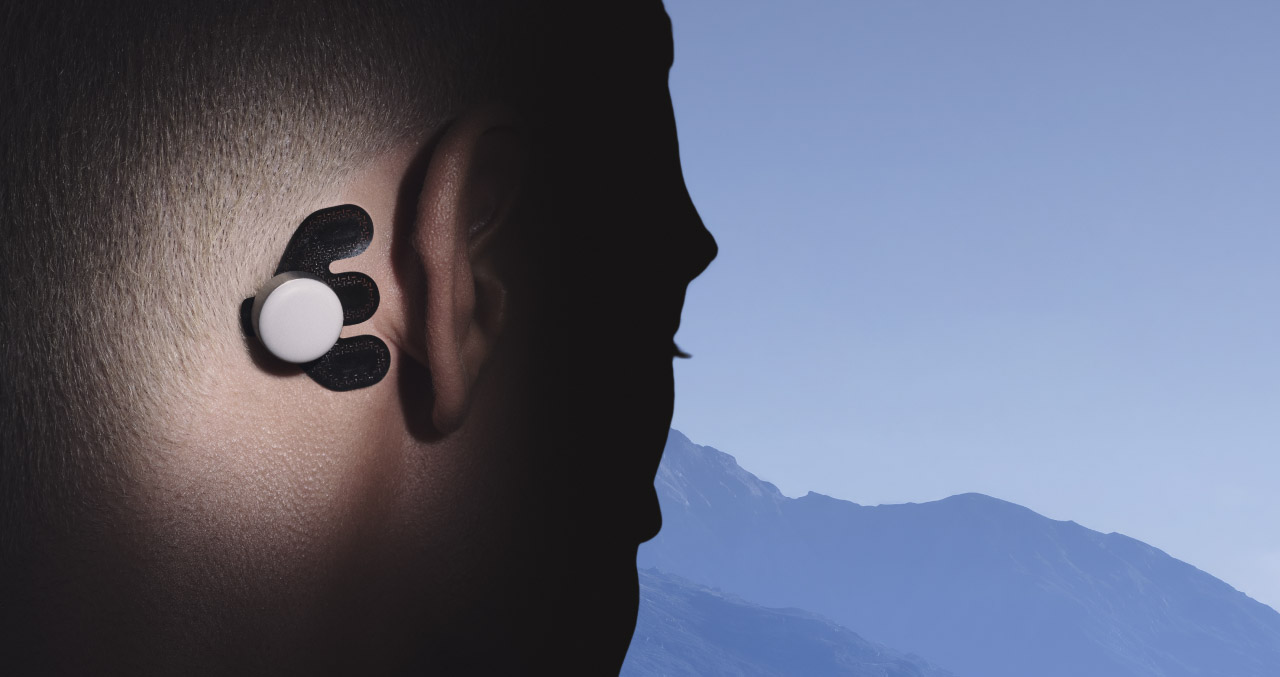
“Once manufacturing costs drop and miniaturization improves, I think we’ll see true neurotech wearables,” he says, pointing to Apple’s recently patented in-ear EEG. “That’s a true wearable, something you can have on all day. With Mendi, we want to move toward something as small as a band-aid on your forehead, recording brain activity continuously, even under a hat or helmet.”
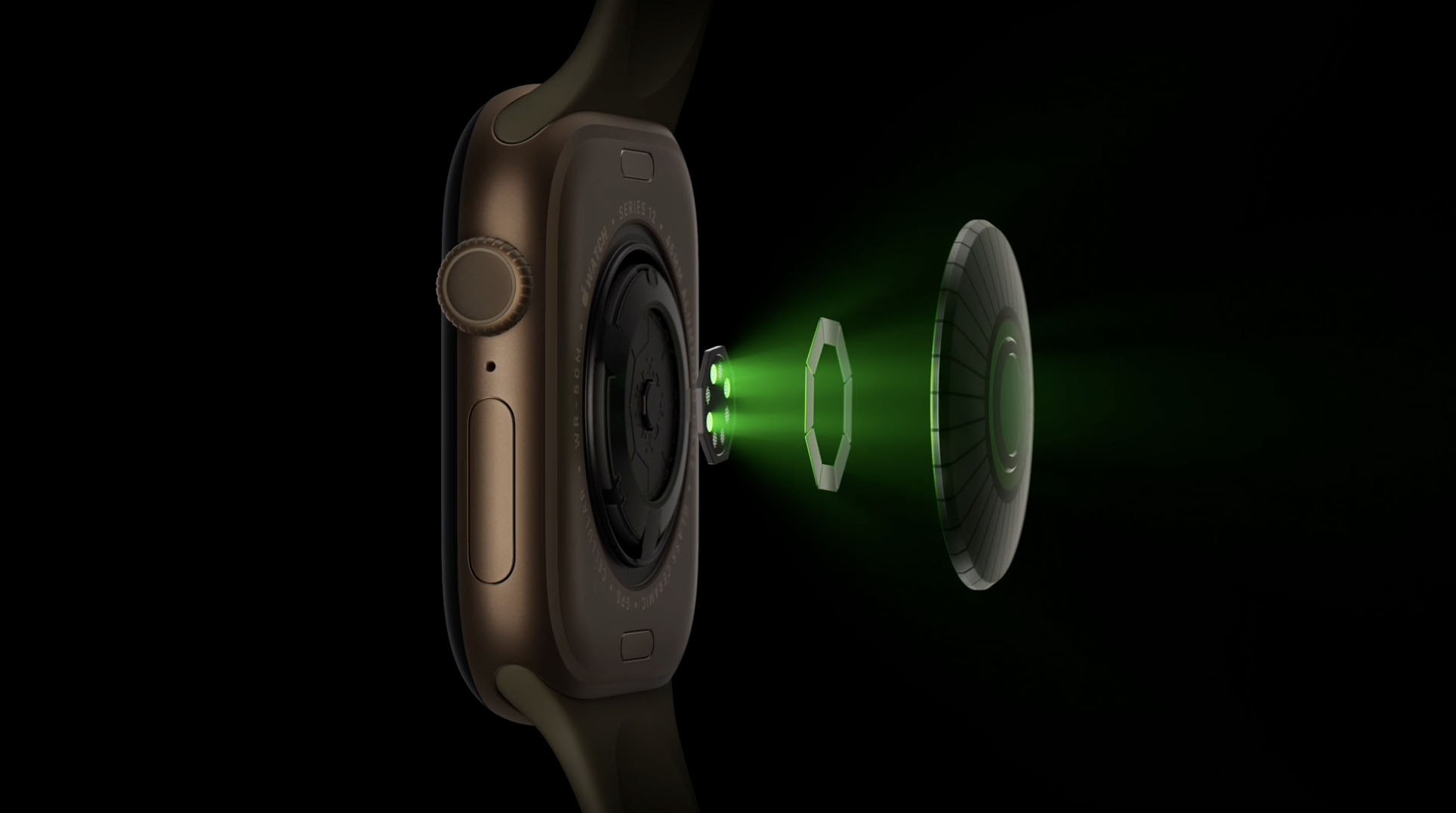
The potential applications are vast. “Air traffic controllers, pilots, drone operators, any high-stakes job could benefit from continuous brain monitoring. We could predict fatigue or error risk in real time.” In that future, neurotechnology would blend seamlessly into the broader wave of wearable health tech, alongside products like the Apple Watch, the WHOOP strap, and the newly decacorn-crowned Oura Ring.
Over the next two years, Mustafa and the Mendi team plan to double down on improving their optical technology. “One of our core principles is fundamentals over fads,” he says. “Hypes come and go, but companies should stay focused on solving one problem really well. Consumers just want easy-to-understand feedback and visible progress. That’s what matters most.” With that mindset, Mendi is showing how consumer neurotech can mature into a field defined by scientific integrity and lasting consumer impact.
Mustafa S. Hamada, PhD, is Chief Product and Science Officer at Mendi, where he leads scientific validation and product strategy for the company’s fNIRS-based neurofeedback headband. He completed his doctorate at the Netherlands Institute for Neuroscience with work spanning neuroscience and biophysics, then moved into digital health engineering before joining Mendi in 2022. At Mendi, his focus is on translating peer-reviewed research into consumer features and building a suite of evidence-backed consumer neuro-wellness tools.
Founded in Stockholm in 2018, Mendi develops a consumer neurotechnology platform combining a portable functional near-infrared spectroscopy (fNIRS) headband with a mobile app for real-time neurofeedback targeting the prefrontal cortex. The company positions itself as an accessible, at-home alternative to lab-grade neuroimaging, and its device has been evaluated in independent studies demonstrating sensitivity to working-memory load during n-back tasks. The firm was founded by Rickard Eklöf and Sammy Saldjoghi.
Visit: www.mendi.io
.svg)