Healthcare is under mounting pressure: more patients need care, but clinicians have less and less time to provide it. Nowhere is this more evident than in neurology, where neurodegenerative conditions like Parkinson’s cannot be monitored with a simple blood test or quick scan. Instead, care still relies heavily on routine, in-clinic assessments; a model that electrical engineer and brain scientist Ziv Yekutieli believes has to change.
After completing a PhD program and a stint at Intel, Ziv founded Mon4t to digitize neurological assessment. The Israeli-US startup turned to the mobile phone as a platform for digital testing. They have created a model in which clinicians are introduced to digital replicas of their standard assessments, initially performed in the clinic and later by patients at home. Over time, Mon4t has also been building a suite of passive assessments, enabling clinicians to infer a patient’s condition without either side losing a minute of valuable time.
Ziv Yekutieli is originally an electrical engineer, but describes always having been fascinated by the science of the brain. While working as an engineer at Intel, he formalized that interest by pursuing a PhD in neuroscience, which brought him into close contact with clinicians and neurologists at the forefront of brain health.
A few years into his research, while still at Intel, he began drawing parallels between his world of engineering and the field of neuroscience. He started toying with a 'Neural Interface Processing Unit', an implantable chip able to connect our brains to the outside world. Today, a neuroscientist at a global chip company might naturally think of building a brain-computer interface. Twelve years ago, the idea was far less common and too risky for Intel to develop.
What surprised Ziv more than Intel's response was the response from the clinicians themselves. “With all due respect, we do not need a chip,” he was told during his early market research. “What we really want from engineers is a solution that tells us what’s going on with our patients in their daily lives.”
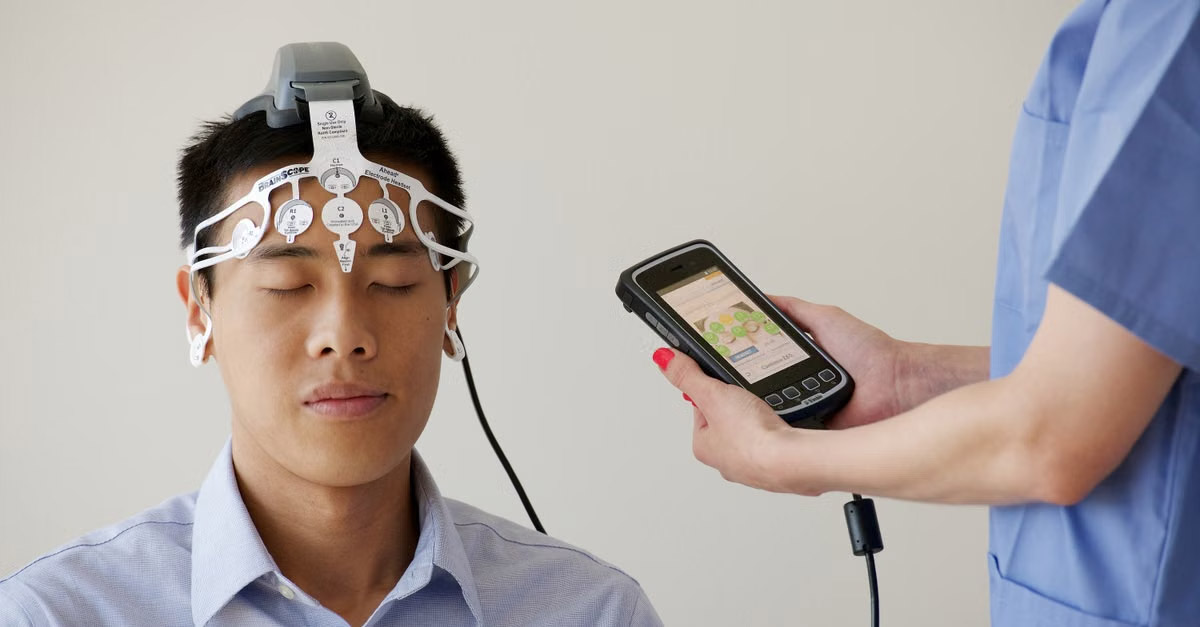
That response revealed a glaring issue in neurological care: clinicians have almost no visibility into their patients’ lives outside of infrequent evaluations. Instead, they rely on in-clinic assessments: time-consuming, sporadic, and often subjective. A patient who missed a dose of medication, slept poorly, or felt unwell on the day of their visit might appear far different from how they would during the days before or after. What clinicians truly wanted was the opposite of their status quo: continuous, quantitative tracking of patients at home.
When Ziv asked his clinical contacts which symptoms they would prioritize in such assessments, tremor, a hallmark of Parkinson’s, stood out as a clear starting point. The technology to measure such symptoms already existed, yet in 2017, mobile devices were still rarely used for medical assessments. Ziv founded Mon4t to change that, transforming basic mobile technology into accessible, portable tools for remote neurological evaluation.
Mon4t has developed digital assessments for a wide range of neurological disorders. The most obvious use case still is movement disorders such as Parkinson’s and Huntington’s, where mobile devices can track disease progression by measuring gait, balance, hand positioning, finger tapping, and even voice. But more recently, Mon4t has also created digital assessments for cognitive and affective disorders.
In each case, a standard smartphone is transformed into a clinically validated assessment tool. “The sensors exist in every smartphone,” Ziv explains. “If we want to measure tremor, we ask you to hold the phone for a few seconds. We might ask you to type or tap on the screen, to walk while holding the phone, or simply to keep it in your pocket.” These tests are complemented with features such as geolocation data, which can capture activity levels, and questionnaires, which help log symptoms beyond the reach of smartphone sensors.
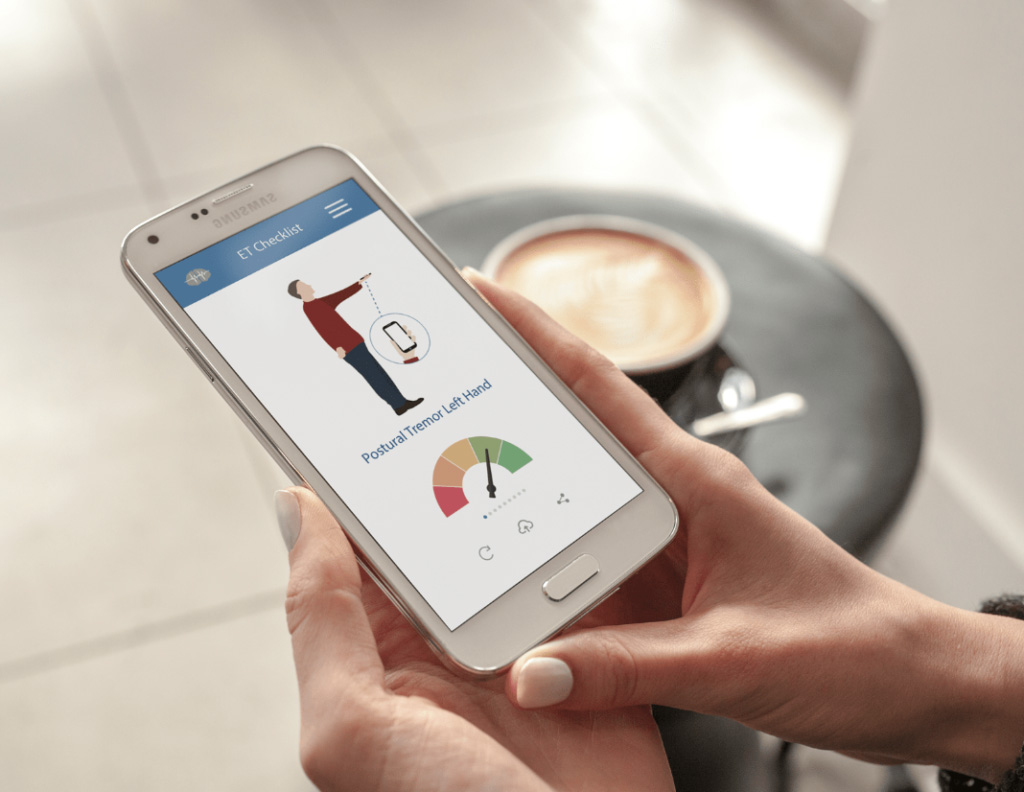
Unlike some newer players in the biomarker space, Mon4t is not trying to uncover novel markers or invent experimental protocols. “We just look at what’s already standard in clinical practice,” Ziv says. “Then we digitize those tests and distribute them, so patients can be evaluated without having to come into the clinic.” That saves valuable time for both patients and increasingly time-constrained clinicians.
"We just look at what's already standard in clinical practice. Then we digitize those tests and distribute them, so patients can be evaluated without having to come into the clinic."
The idea of measuring gait in Parkinson’s with an iPhone seems intuitive. But Ziv has also extended the approach to affective disorders like major depressive disorder. “We were able to demonstrate that voice analysis, while difficult to quantify, shows preliminary correlations with standard psychiatric assessments,” he explains. Geolocation data similarly plays a role in depression, where it can provide insights into patterns of social withdrawal, a factor that is both a symptom and a driver of the condition.
Mon4t’s goal is not to replace clinicians but to reduce unnecessary clinic visits while offering richer detail on their patients’ progression. Here, individual patient trends become crucial. “You might be someone who’s usually very active, say, spending half the day outdoors. If that drops from 12 hours to 10, that’s a significant change." Ziv continues, "In most neurological conditions, motor, cognitive and affective symptoms co-exist. Having all covered by the same platform offers the neurologist the holistic understanding of their patient that we’re after.”
To win clinician trust and minimize the leap to digital, Mon4t has built its business around two pillars that bridge the gap from clinic to home. First, clinicians receive digital replicas of their traditional assessments to use during in-clinic visits. Once they see that the digital results align with their established methods, they become more comfortable transitioning patients to a fully remote setup. From there, they can begin integrating passive data collection, with patients only occasionally completing active tests at home.
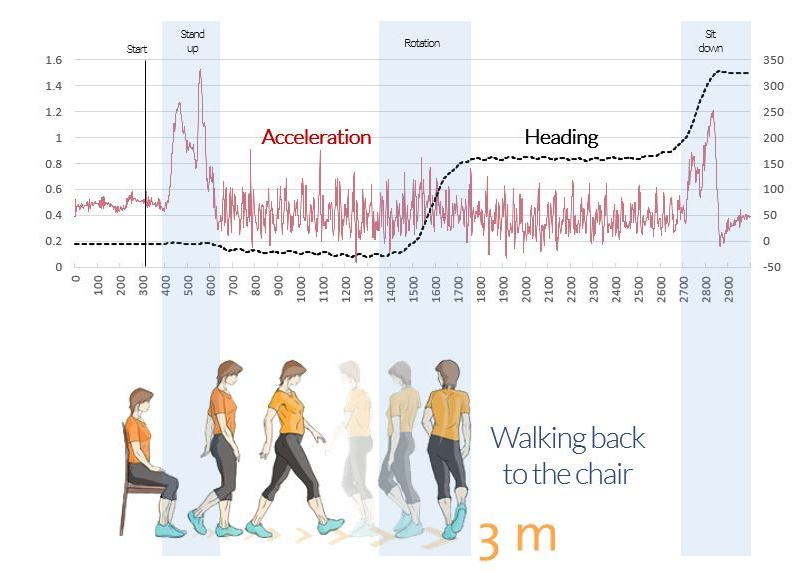
Passive monitoring is where the real gains lie. “The idea is to help physicians adapt and trust this kind of assessment,” Ziv says. “I believe that once there’s enough evidence showing that passive data collected at home matches the remote active tests, and that those match what’s done in the clinic, then you have one continuous track linking all three.”
Still, Ziv cautions against overstating what’s possible today. “You can’t yet check everything passively and meet the standard of care,” he explains. “But in the near future, passive monitoring will run constantly. Once the system detects a change, say, in gait or behavior, the patient will be prompted to perform an active test. That result can be sent to a doctor, who’ll know it’s not just noise but a signal that something has changed. And they can respond: adjust medication, schedule a scan, initiate a diagnosis.”
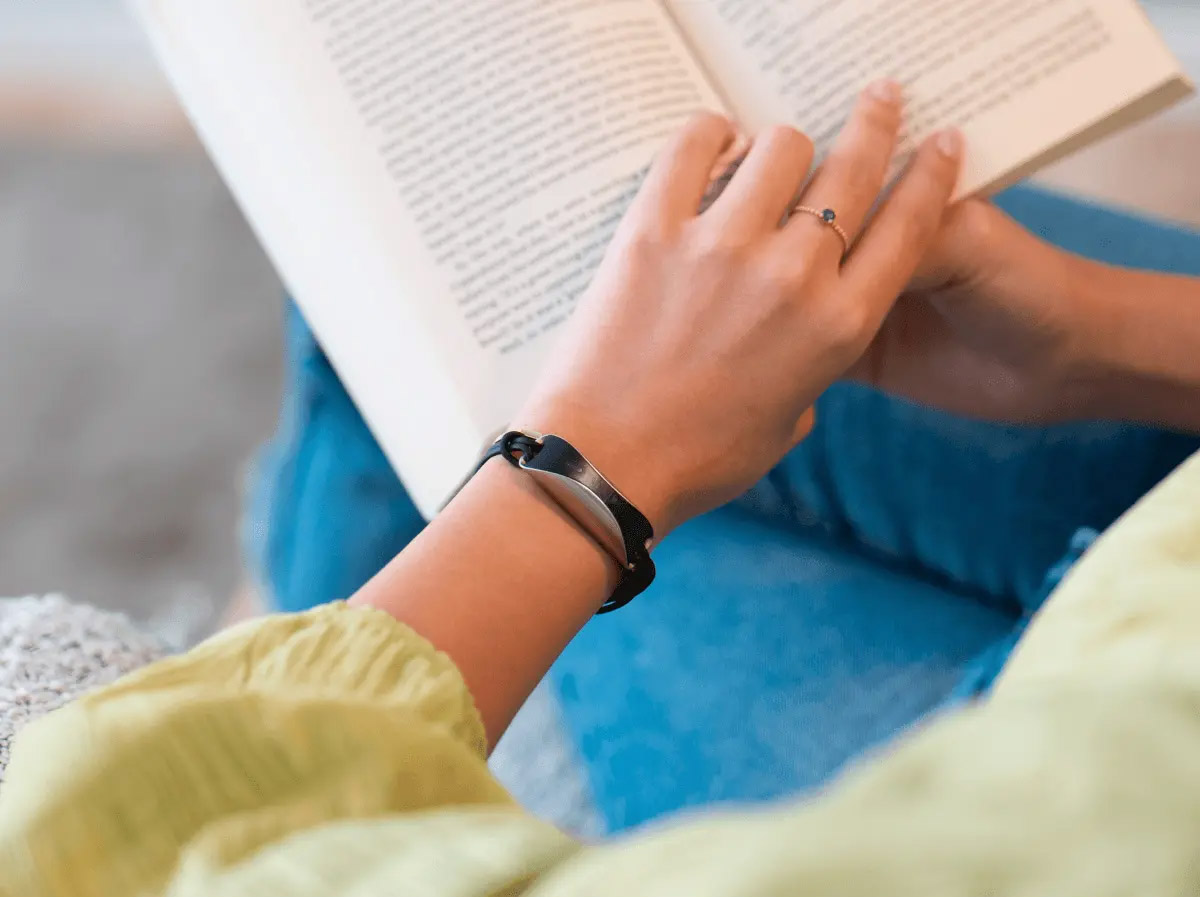
Passive health monitoring is on the rise. Perhaps best illustrated by the Apple Watch, which tracks a wealth of metrics for health-conscious users, more and more devices now infer how we are doing throughout the day, and even at night. But medicine is not like tech, where you can “move fast and break things” and still be applauded. While a smartwatch could feasibly double as a medical device, big tech has been cautious in entering this new domain.
That leaves it up to health-tech innovators to seize the opportunity of leveraging the sensor-rich devices we carry with us every day. Still, Ziv expects the balance to shift. “I think the big consumer device manufacturers will be forced to invest in making their solutions at least partially medical-grade. This could happen either through heavy internal investment or by acquiring companies like Rune Labs or Mon4t. Sooner or later, they’ll realize the scale of the business opportunity.”
Ziv and Mon4t aren’t waiting around for that shift to happen. Convinced of mobile technology’s power to democratize care, they are betting big on a direct-to-consumer model. Instead of relying on hospitals or major device makers as middlemen, Mon4t envisions offering assessments directly to patients and closing the loop with its own medical staff.
“This would free us from dependence on hospital adoption rates or waiting for pharmaceutical companies to integrate our tests,” Ziv explains. “Because this kind of brain-health monitoring needs to be available directly to people.”
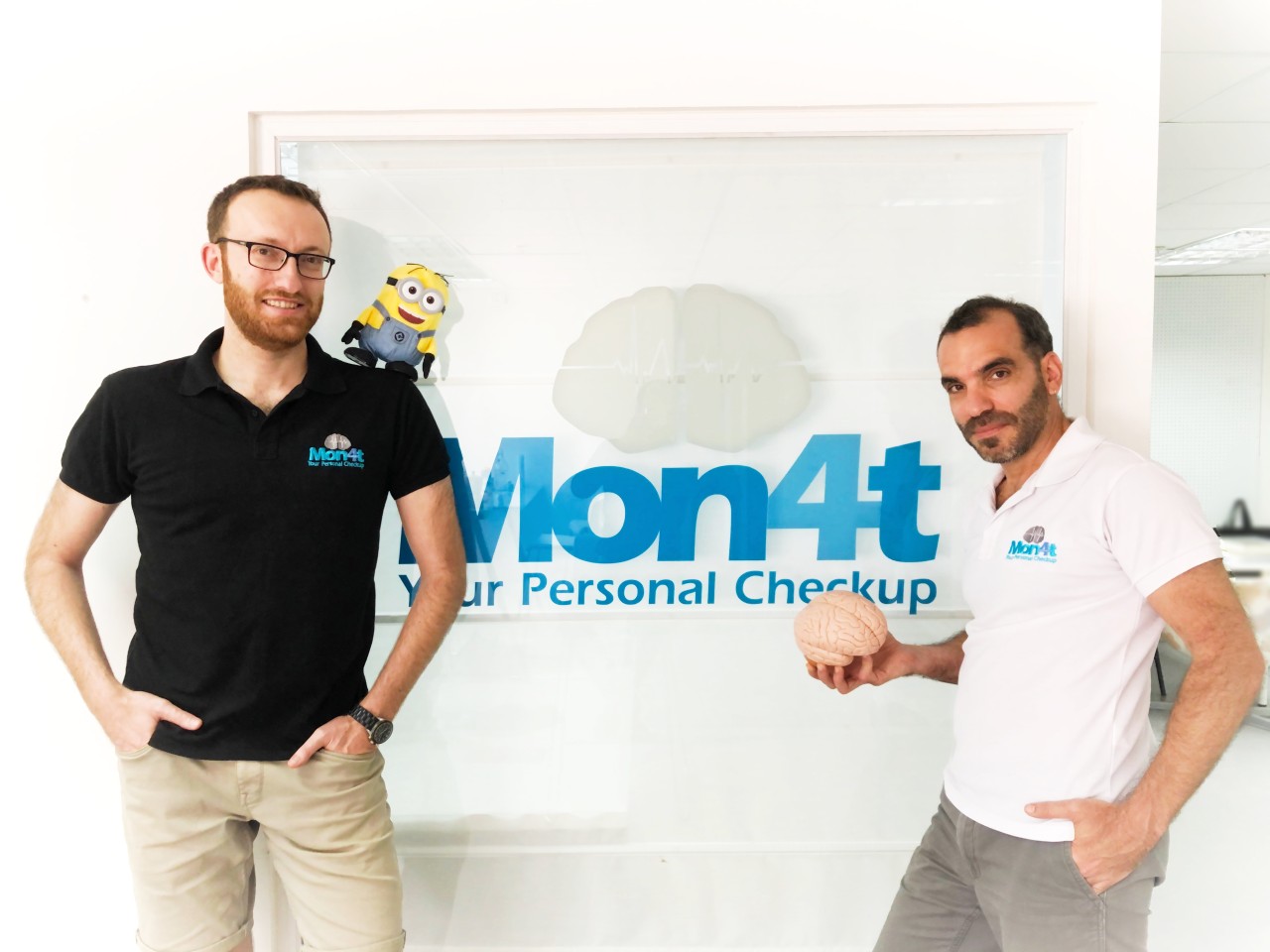
Dr Ziv Yekutieli is the Co-Founder and CEO of Mon4t. An electrical engineer and brain scientist by training, he developed a deep interest in brain science early in his career. While working at Intel, Ziv pursued a PhD in neuroscience, which immersed him in clinical neurology and brain-health research. Drawing on over 20 years of experience at the intersection of engineering and neurology, he co-founded Mon4t in 2017 to transform the assessment and monitoring of neurological disorders.
Mon4t (Montfort Brain Monitor Ltd.) is an Israeli health-tech startup founded in 2017 by Dr Ziv Yekutieli and Dima Gershman. The company transforms standard smartphones into FDA-cleared, HIPAA- and GDPR-compliant tools for neurological assessment, offering both active motor tests (gait, tremor, balance, voice, and tapping) and cognitive tests that cover various memory and executive functions, as well as passive monitoring (mobility, geolocation, and social activity). With headquarters in Israel and the U.S., Mon4t partners with hospitals, medical device manufacturers, and pharmaceutical companies while also pursuing a direct-to-consumer model to make brain health monitoring widely accessible.
.svg)