.svg)





Paradromics has just received FDA approval to begin its first in-human study. The approval lands at a time when speech restoration is becoming one of the most important use cases in brain-computer interfaces, particularly for people with severe motor impairments. But it also marks a broader inflection point for the field. After years of prototypes and conceptual research, interfaces are now entering structured, regulated trials. Paradromics joins a growing group of companies that are testing their systems in patients, not only in controlled lab settings.
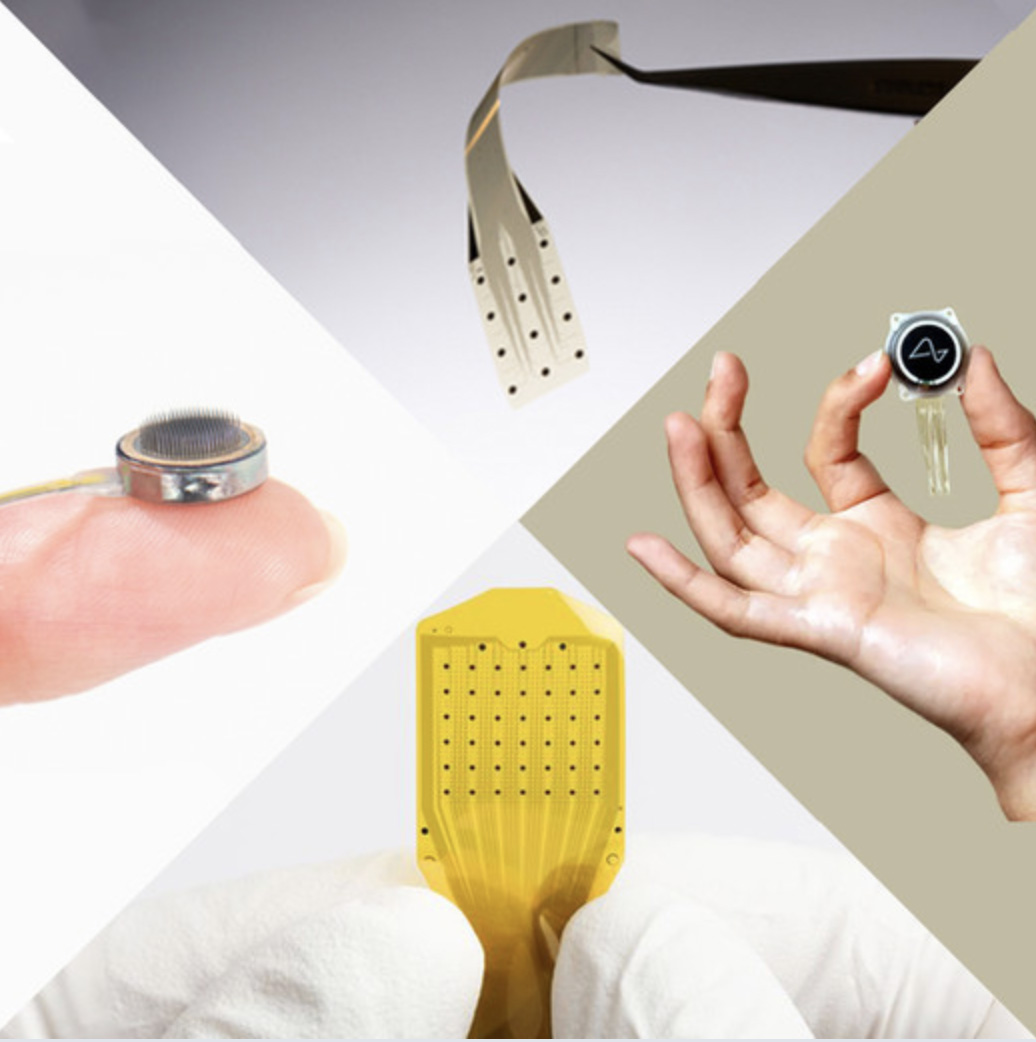
While public attention generally gathers around Neuralink, Synchron, Precision, and Paradromics, the clinical pipeline is much larger and more diverse. Penetrating arrays, subdural sheets, endovascular implants, graphene electrodes, ultrasoft materials, and non-invasive AR and EEG systems are all being evaluated in humans. Taken together, they map a field that is no longer defined by a single modality or path to market. We highlight the ten most exciting companies that have active human studies, directly tied to their core BCI technology.
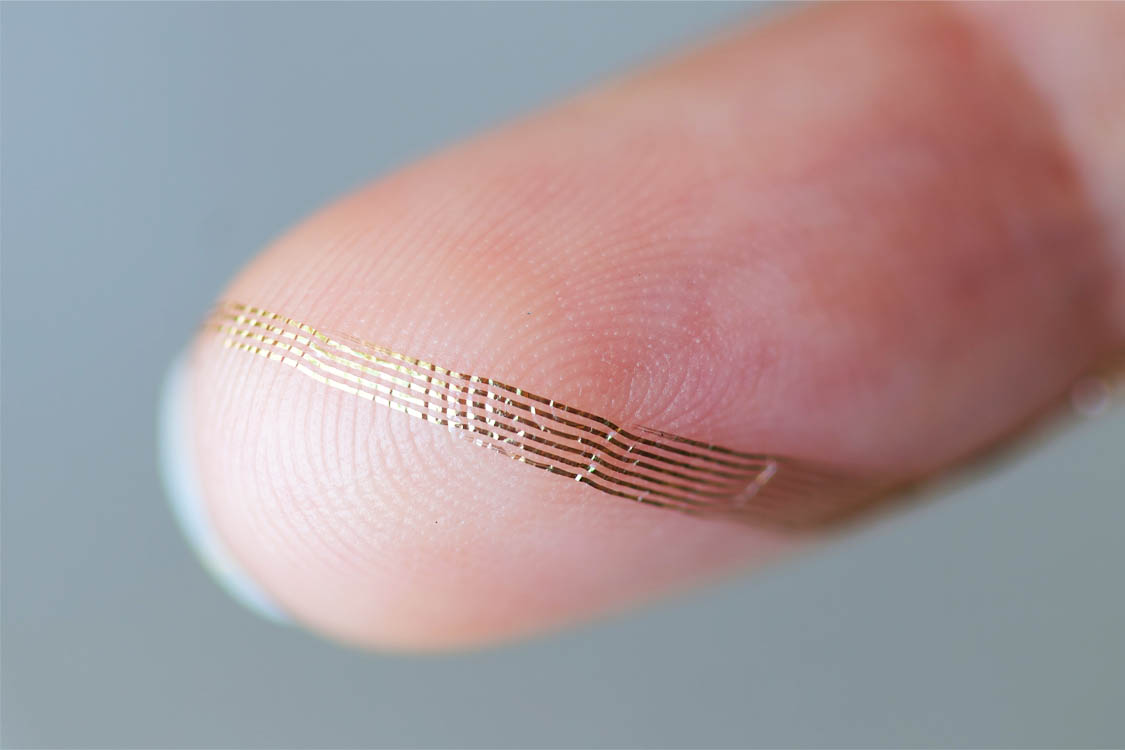
Founded in 2021 out of Jia Liu’s lab at Harvard, Axoft is a Cambridge-based neurotech company building brain implants from a material that behaves more like tissue than electronics. Its Fleuron platform is reported to be up to ten thousand times softer than conventional polyimide-based devices, aiming to move with the brain rather than grind against it. The company has raised seed capital to turn that material into a full implantable BCI stack, from probes to surgical tools. Axoft currently holds an FDA Breakthrough Device designation for treating long-term neurological disorders.
Axoft’s first clinical study, FINESSE, is an early human trial in patients undergoing brain tumor surgery. Surgeons place high-density Fleuron probes into the cortex during the procedure to test whether the implants can be inserted safely and record usable neural signals. The first four cases were reported as successful, with no device-related safety issues and stable single neuron activity captured during tasks. Primary endpoints focus on safety and signal stability, with secondary measures comparing mapping quality to standard electrodes. If the ultrasoft material delivers on its promise, it could extend the useful life of future implants and lower the biological cost of chronic BCIs.
Blackrock Neurotech is one of the field’s longest-standing companies, founded in 2008 in Salt Lake City, building on earlier work on the Utah Electrode Array by Richard Normann. Its NeuroPort arrays and recording systems supply the 96-channel penetrating electrodes used in most intracortical BCI studies over the past decade. Blackrock is now developing MoveAgain, a clinical-grade interface designed for patient use outside research settings, aiming to pair its hardware lineage with a commercial pathway. The company sits at the intersection of platform supplier and device maker, providing the components that many academic programs rely on.
Blackrock’s arrays serve as the core implant in BrainGate2 and related intracortical trials, which aim to restore communication, cursor control, and robotic interaction for people with tetraplegia from spinal cord injury, brainstem stroke, or ALS. Safety analyses across thousands of array days report low rates of serious adverse events and stable long-term performance, a foundation that few other invasive modalities can yet match. The company remains on the high-bandwidth, lab-intensive end of the spectrum, in contrast to minimally invasive or endovascular approaches that prioritise procedural simplicity.
Cognixion is a California-based neurotech company that focuses on communication for people who cannot rely on speech or typical motor control. Founded by Andreas Forsland, it builds Cognixion One and Axon R, non-invasive headsets that combine EEG, augmented reality, and on-device AI to infer intent and surface language options. The devices sit in a consumer adjacent space, closer to assistive hardware than to surgical implants, making them an outlier in this group. Cognixion posits that a familiar headset form factor, paired with neural decoding, can reach many more users than operating room implants alone.
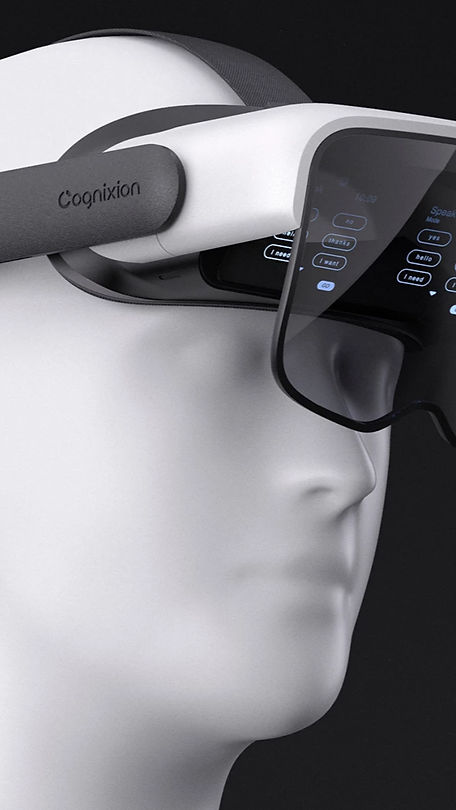
Clinically, Cognixion is running trials of Axon R as a communication aid for adults with ALS, measuring how fast and reliably users can generate messages compared to eye tracking or switch-based systems. Newer studies pair the company’s decoding stack with devices such as Apple Vision Pro for thought-driven selection and control in small cohorts that include ALS, stroke, and spinal cord injury. Endpoints tend to focus on words per minute, error rates, usability, and caregiver burden, rather than raw signal metrics. The overall profile is a low surgical risk, faster to market path that complements invasive BCIs rather than competing head-on. If it works, non-invasive AR and EEG could become the front door to BCI-style communication for a broad patient base.
INBRAIN Neuroelectronics was founded in 2019 in Barcelona by Carolina Aguilar and José Antonio Garrido. The company builds neural interfaces from graphene, aiming for high-density recording and stimulation with better biocompatibility and long-term stability than conventional metals or polymers. Its platform is positioned as a materials-driven alternative to silicon-based grids, with a path that spans acute mapping to future chronic implants. The ambition is to use graphene’s electrical and mechanical profile to improve the fidelity and durability of next-generation BCIs.
The company’s first in-human procedure took place in brain tumor surgeries at the Manchester Centre for Clinical Neurosciences, where surgeons temporarily placed graphene grids on the cortex during resection. The study plans to enrol eight to ten patients and focuses first on safety and tissue response, with secondary measures tied to mapping resolution and decoding quality. Interim reports from the first four cases describe no device-related safety issues and clear high-resolution recordings during functional tasks. These data support a pipeline that includes chronic applications such as epilepsy and Parkinson’s disease, where stable, biocompatible interfaces could widen the use of implanted BCIs.
Neuralink was founded in 2016 in the Bay Area with the aim of building a generalized brain interface that could restore autonomy for people with severe motor loss and eventually support more advanced cognitive applications. Its core system pairs the fully implanted N1 device with the R1 surgical robot, which threads flexible electrodes into the motor cortex and transmits data wirelessly. Early human participants have shown cursor control and basic communication with the implant. Neuralink remains the most visible company in the space, but its trajectory is increasingly shaped by structured clinical work rather than one-off demonstrations.
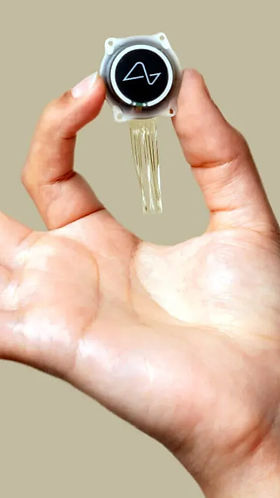
The company’s clinical program spans three countries through PRIME in the United States, CAN PRIME in Canada, and GB PRIME in the United Kingdom. These are feasibility studies enrolling adults with tetraplegia from spinal cord injury or ALS, with a focus on safety, usability, and initial computer control. Participants have used the implant to browse the web, type messages, and interact with consumer apps. Neuralink’s scale and visibility give it a unique platform, but the company now sits within a broader set of firms running serious, multi-site human trials.
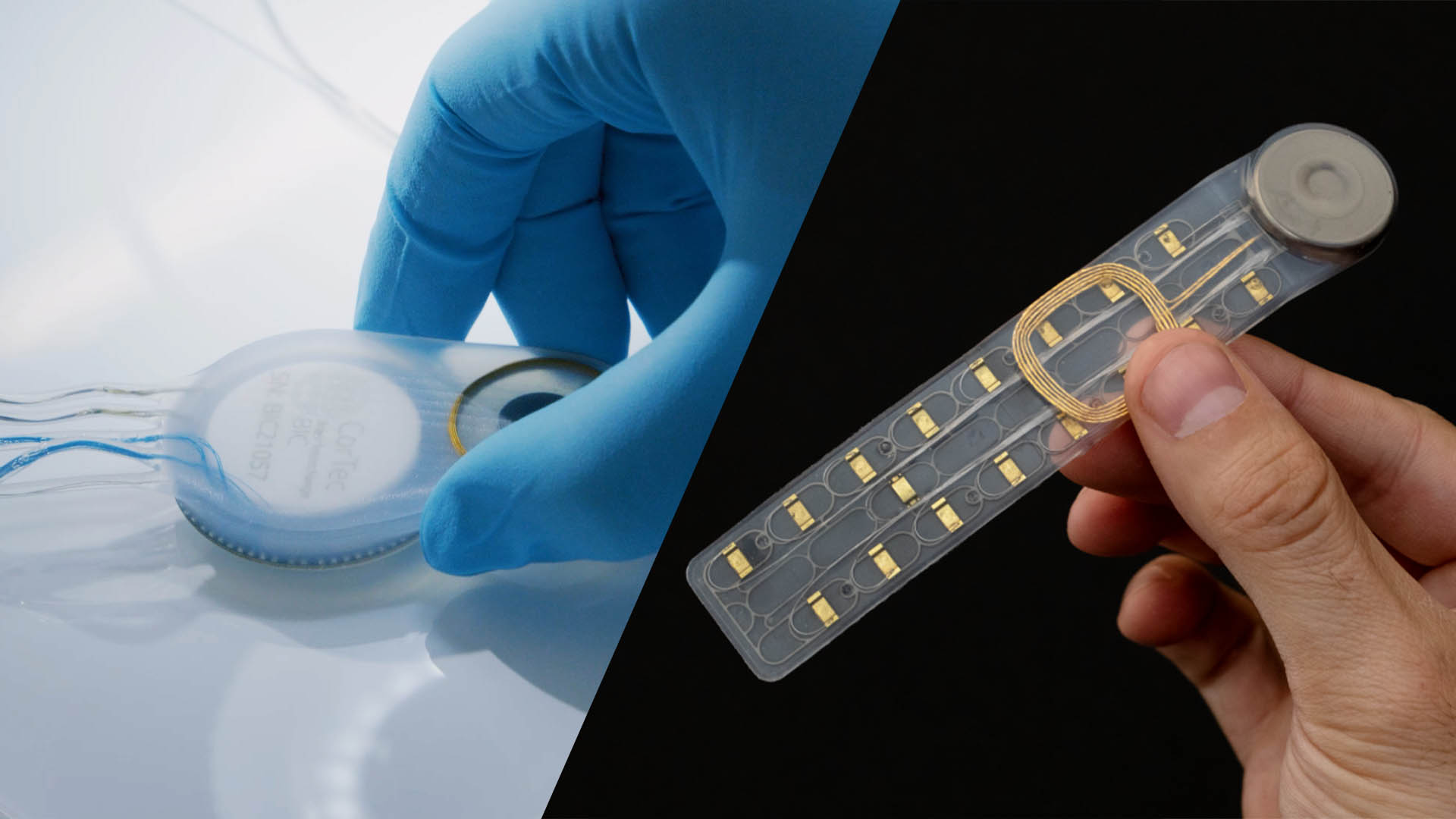
Neurosoft Bioelectronics is a spin-out from research groups in the Geneva region, founded around 2019. The company designs thin-film subdural electrodes made from ultra-flexible substrates that conform closely to the brain surface, reducing the mechanical mismatch that can limit traditional grids. Its modality is subdural ECoG, a middle ground between scalp EEG and penetrating arrays, with potential applications in epilepsy monitoring, neuromodulation, and chronic BCI systems. Neurosoft’s approach is rooted in material science, aiming to make cortical interfaces that behave more like tissue and less like rigid circuitry.
The first in-human study took place at Memorial Hermann in Houston, where the grids were temporarily placed on the cortex during epilepsy and brain tumor surgeries. Initial cases involved two people with epilepsy and one with a tumor, with the devices used to capture high-resolution cortical activity during resection. Reports noted no complications linked to the grids and signal quality that compared favourably to standard clinical ECoG. These acute procedures form a bridge from intraoperative mapping to the possibility of longer-term implants, where flexibility and conformability could improve comfort and signal stability.
Newronika is a Milan-based spin-off from Fondazione IRCCS Ca Granda Ospedale Maggiore Policlinico and the University of Milan that focuses on adaptive deep brain stimulation. Its AlphaDBS system is an implantable platform that senses local field potentials and adjusts stimulation in real time, aiming to match therapy to the patient’s moment-to-moment neural state. The approach bridges neuromodulation and BCI by treating neural signals not only as markers to observe but as control inputs that shape stimulation patterns. Newronika positions itself as part of the shift toward more precise, responsive treatments for movement disorders rooted in actual brain activity.
Clinical studies of AlphaDBS in Parkinson’s disease, including NCT04681534 and related trials, evaluate whether symptom adaptive stimulation can reduce motor issues while lowering stimulation time or side effects compared to conventional DBS. Recent announcements note FDA IDE approval for a United States trial, expanding the programme beyond Europe. Endpoints focus on safety, motor scores, and efficiency of therapy, with the implant acting as both sensor and actuator in a closed loop. Newronika’s work frames adaptive DBS as a therapeutic form of BCI, where the brain drives its own treatment through continuous feedback.
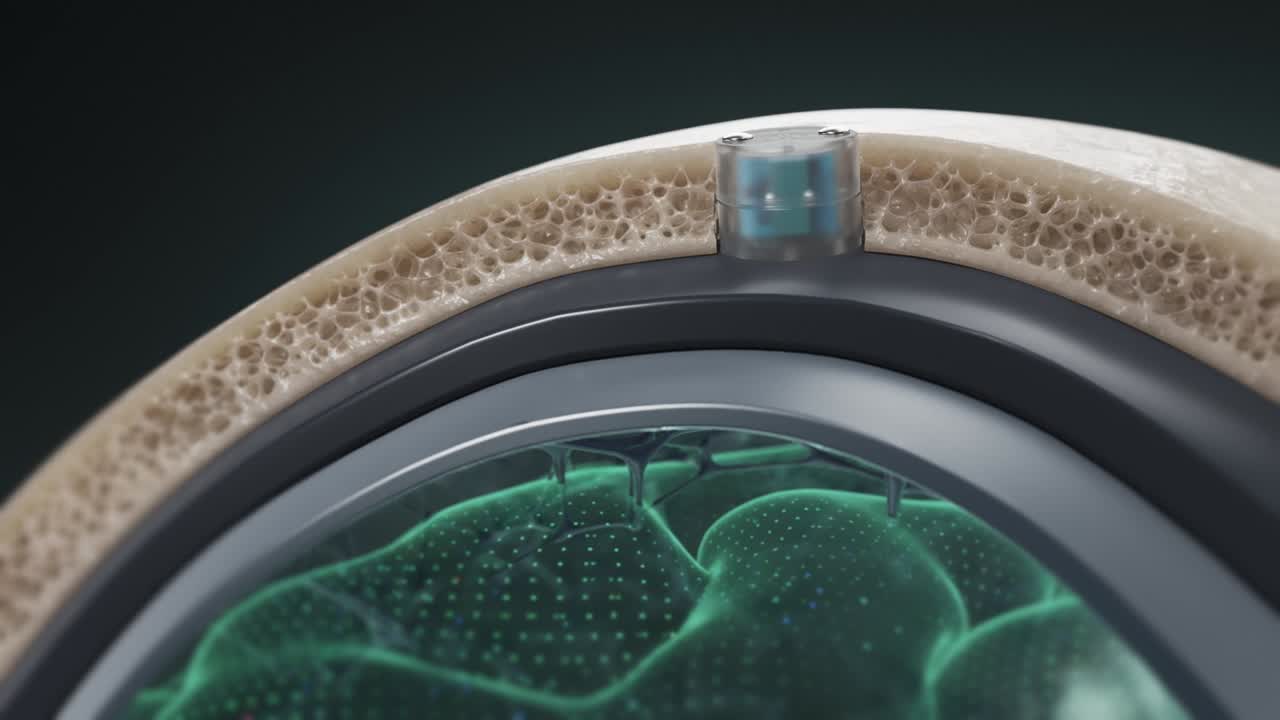
Paradromics was founded in 2015 by Matt Angle and is headquartered in Austin. The company builds the fully implantable Connexus system, which places a high-density microwire module on the cortex and links it to an optical data path and inductive power unit. The design targets high data rate recording for speech and intent decoding, positioning Paradromics as a serious competitor in the intracortical space. Paradromics positions its platform at the bandwidth-heavy end of BCI, aimed at restoring fast, expressive communication.
Its first human trial, Connect One, received FDA IDE approval in November 2025 to evaluate long-term safety and early communication performance in people with severe motor impairment from conditions such as ALS or spinal cord injury. The study begins with a small initial cohort, with room to expand after safety data are reviewed. Primary measures include safety, device reliability, and achieved communication rate, with the company highlighting targets around sixty words per minute. The trial places Paradromics firmly in the category of fully implanted speech BCIs, a space that could define the next generation of restorative communication systems.
Precision Neuroscience was founded in 2021 by Ben Rapoport, Michael Mager, and colleagues, and is based in New York. The company builds the Layer 7 Cortical Interface, an ultra-thin micro ECoG sheet placed on the brain surface through a small skull opening, avoiding the large craniotomies used for penetrating arrays. The design aims to maximise data capture while minimising tissue disruption, positioning the system as a compromise between non-invasive methods and intracortical implants. Precision’s pitch is that a faster, lighter surgery could make BCIs more practical for hospitals and patients. The company has become a leading voice for surface-based interfaces.

Initial human studies placed Layer 7 grids temporarily on patients undergoing tumor resections at the WVU Rockefeller Neuroscience Institute, capturing detailed cortical activity during surgery. Follow-on work has included longer monitoring periods of up to thirty days in neurocritical care and early speech-related decoding studies. The platform holds 510 k clearance for temporary implantation for mapping and monitoring, anchoring it within standard neurosurgical workflows. While chronic communication implants are still ahead, Precision is one of the few BCI companies already integrated into routine clinical environments.
Synchron is a New York and Melbourne-based BCI company, led by Tom Oxley, that pursues an endovascular route to the brain. Its Stentrode device is delivered through blood vessels into a cortical vein above the motor cortex, avoiding the open brain surgery required for subdural or intracortical implants. The stent-like electrode array connects to an implanted telemetry unit that transmits signals wirelessly for digital control. Synchron is widely viewed as a first mover in regulatory-grade BCIs and counts high-profile backers, including Bill Gates and Jeff Bezos.
Clinical work includes the SWITCH study in Australia and the COMMAND study in the United States, both early feasibility trials in people with severe paralysis. Across small cohorts of around six participants, surgeons achieved one hundred percent successful deployment and consistent capture of motor intent signals that could be translated into device control. Reports note that primary safety endpoints were met with no device-related neurological complications over twelve months. Synchron is now preparing for a pivotal trial aimed at home, long-term use. Its endovascular approach remains the most surgical light option in the implantable BCI category, offering a distinct path to scale.


.svg)
.svg)